A phoenix wrapping around an upper arm asks different things of skin and budget than a semicolon hidden on a wrist, and the gap between those two runs from under an hour in the chair to a multi-session commitment with touch-ups by year 4.
Some symbols like a lion or eagle read across a room, while others like a semicolon or hamsa stay private until you choose to show them.
1. Phoenix Tattoo
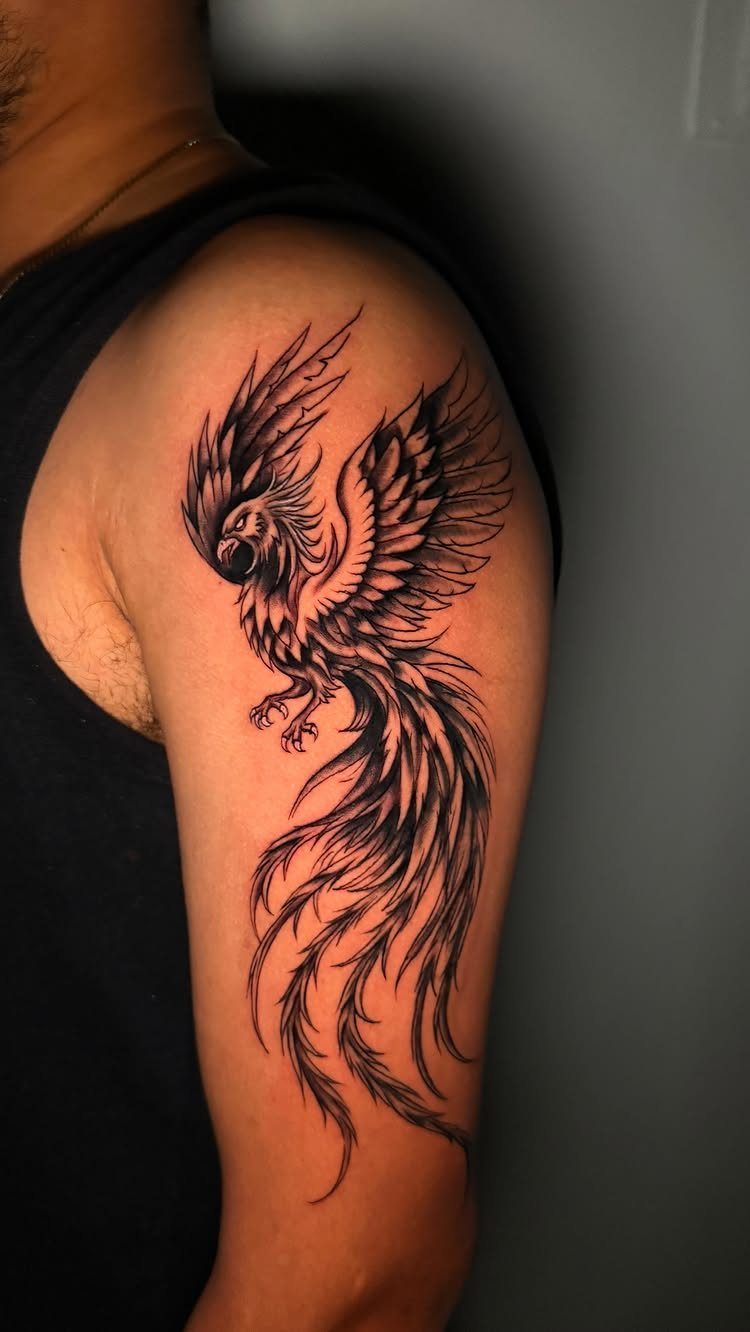
A phoenix rising from flames or ashes marks renewal after hardship. The bird’s long tail and spread wings fill an upper arm or thigh with room for feather detail that reads clearly from a distance.
Black and grey shading holds up better over time than bright color on a large piece like this. The curves suit rounded muscle, and the upward movement places naturally on an arm or shoulder.
If you want something tied to a specific loss or turning point, this design carries that weight without needing words.
2. Lion Tattoo
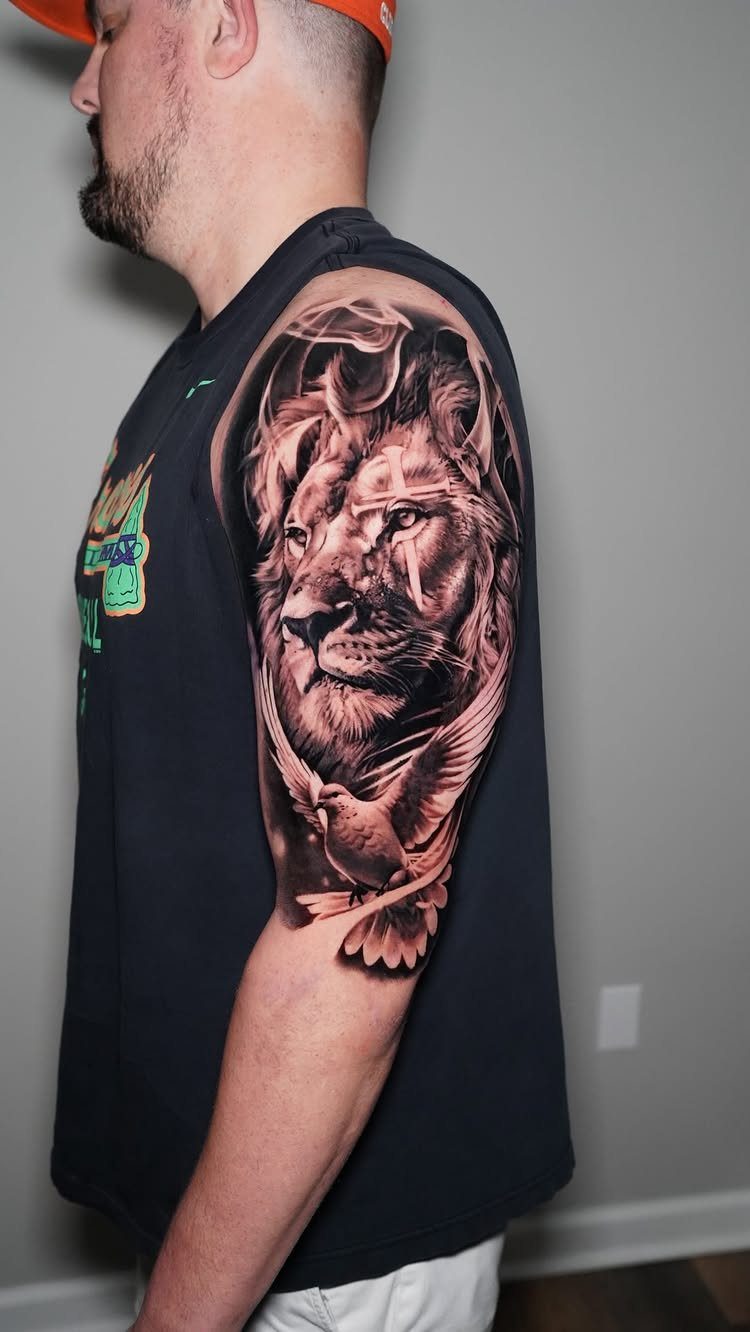
A roaring lion in profile shows raw courage without subtlety. The mane gives a tattoo artist room to layer shadow and texture, and realistic shading in black and grey ages more predictably than color.
Upper arm placement lets the design wrap slightly around muscle, which adds dimension when you move. A lion pairs well with other symbols if you want to build out a sleeve later.
The read is immediate. Someone across a room knows what they’re looking at, and that directness is the point.
3. Dragon Tattoo
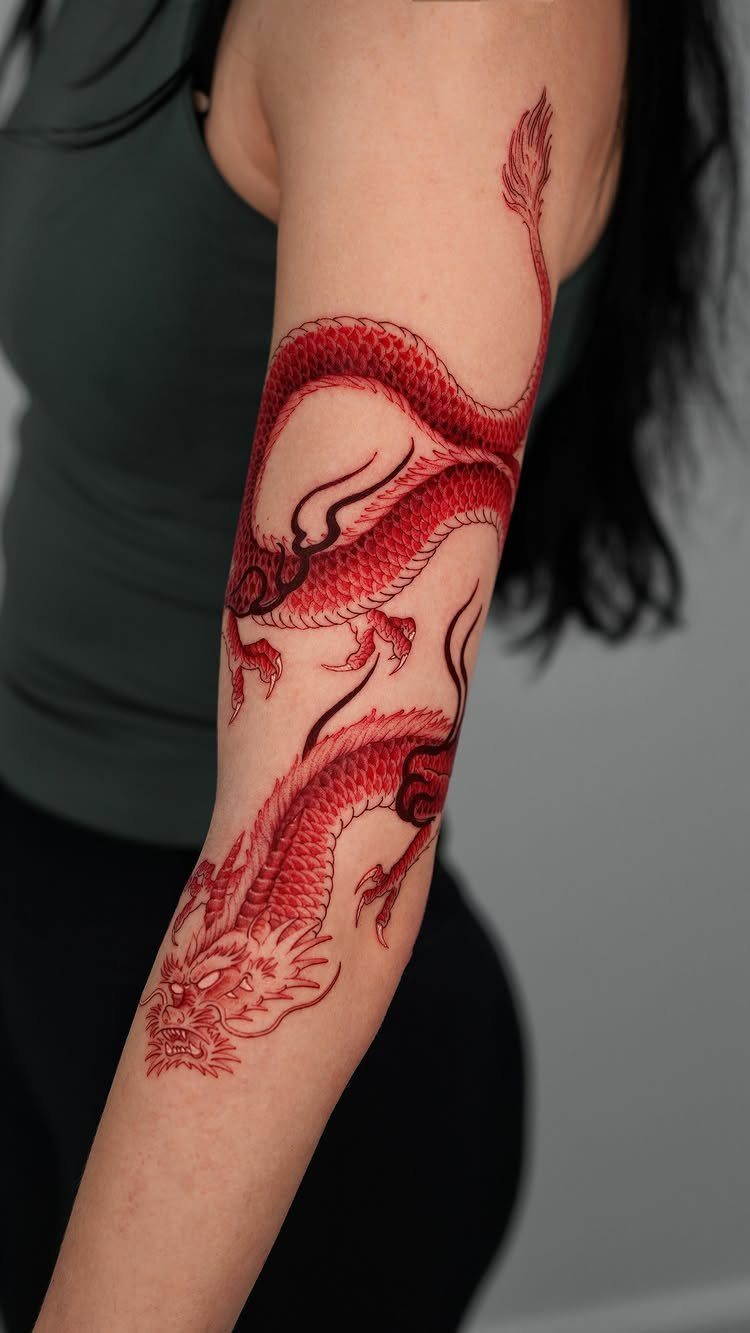
A dragon winding down a forearm or wrapping around an arm combines power with the flexibility to navigate trouble. Eastern-style dragons read as wisdom and control, Western ones as raw force.
Red ink fades faster than black, so expect a touch-up around year 3 or 4 if you want the color to stay saturated. Scales and claws give the design texture that holds detail even as the piece settles into your skin.
Forearm placement keeps it visible to you, which matters if the tattoo is a daily reminder.
4. Strength Tarot Card Tattoo
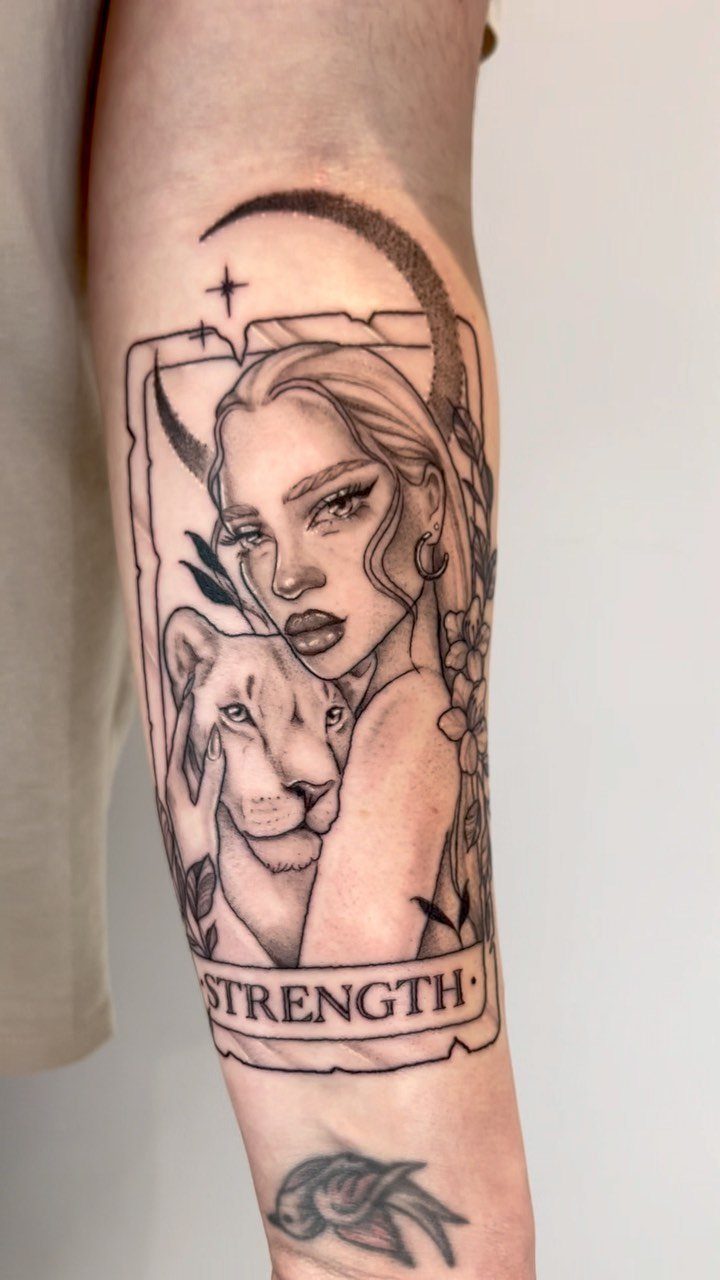
The Strength card from tarot decks shows a woman gently holding a lion’s jaw, representing calm command over raw power. The card frame and title text lock the meaning in place for anyone who knows the deck.
Forearm placement puts the vertical card format to good use and keeps it readable without tilting your arm. Black line work with selective shading keeps the image clear at this size.
If inner resilience matters more to you than outward aggression, this design says that plainly.
5. Koi Fish Tattoo
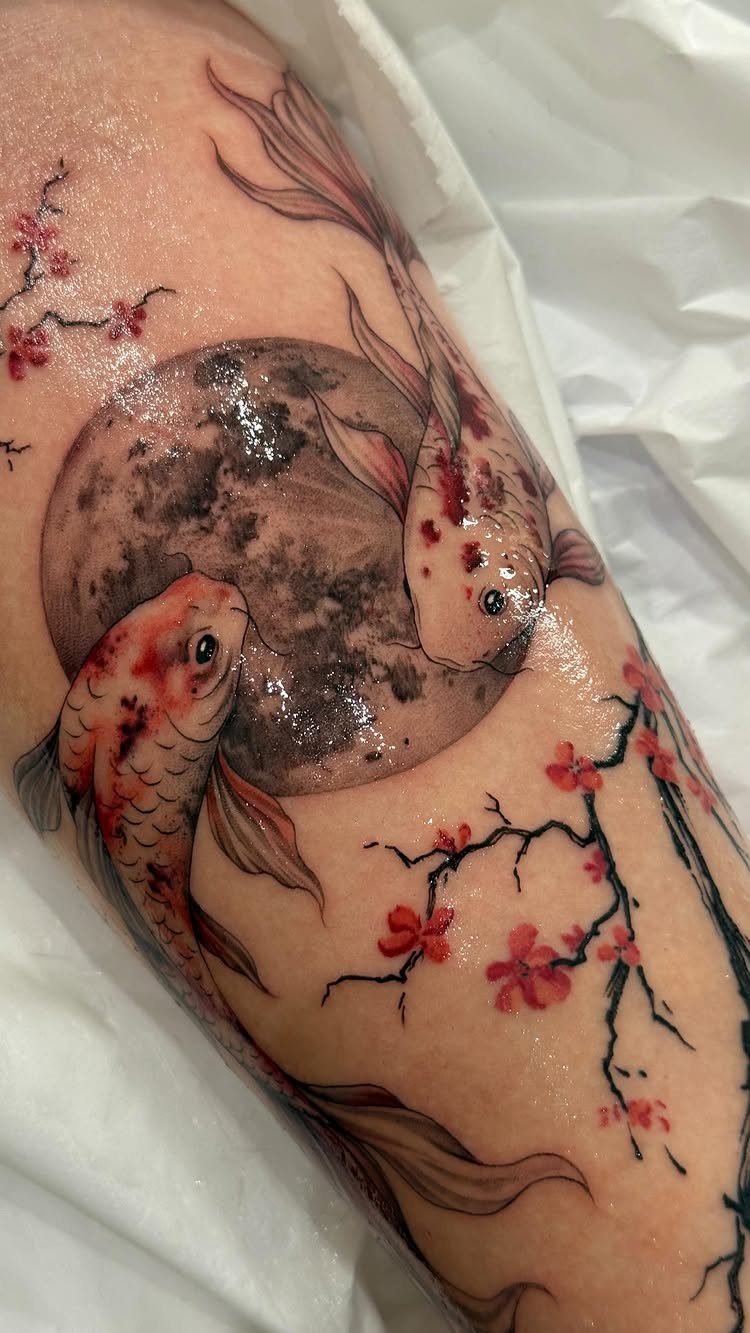
Koi swim upstream and, in Japanese folklore, become dragons after climbing a waterfall. The fish moving through water or around other elements like a moon or cherry blossoms shows persistence that pays off.
Orange and red koi hold color well if your artist uses quality ink and saturates it properly during the session. Leg placement gives you a long canvas for the fish to swim vertically, which suits the upward-struggle meaning.
Pair it with waves or flowers if you want a fuller composition, or keep it to one or two fish for a tighter read.
6. Sword Tattoo
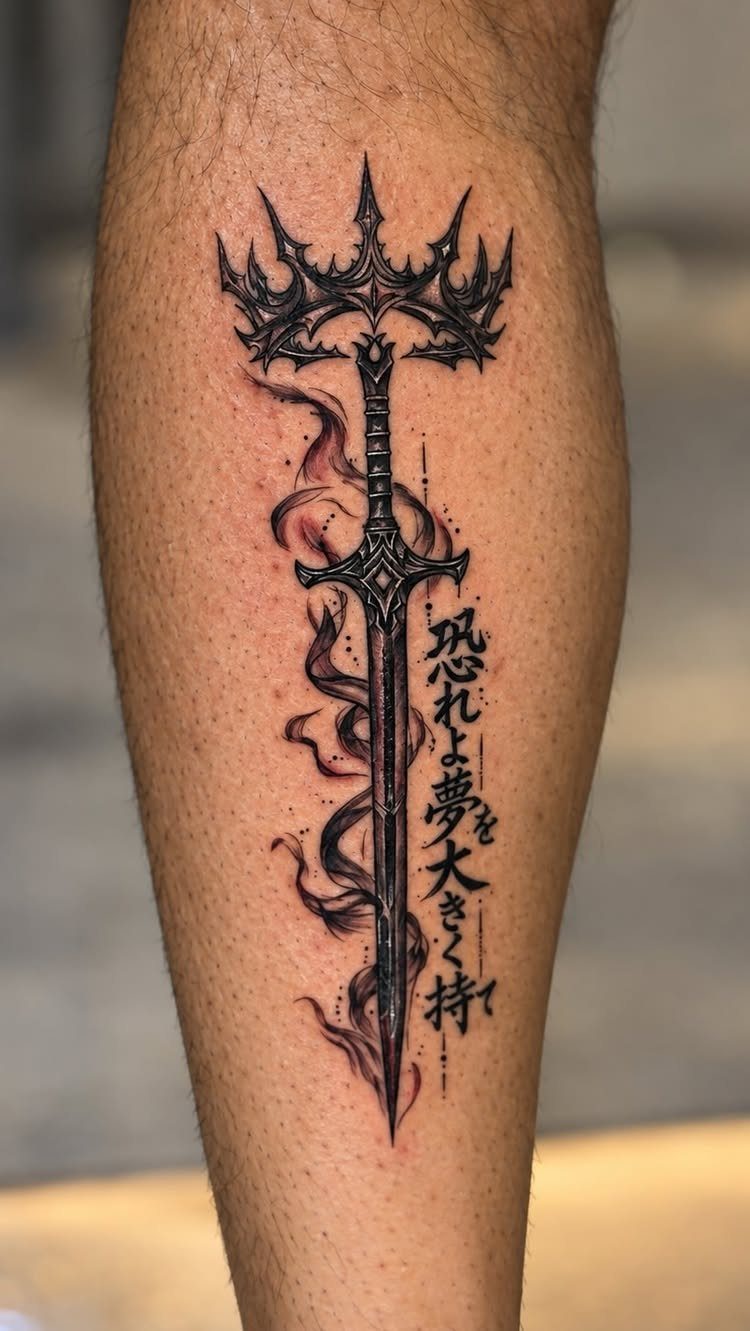
A sword pointed up or driven into the ground represents both the capacity to fight and the discipline to hold back. Ornamental hilts and crossguards let you add personal detail without losing the clean line of the blade.
Calf placement works for a vertical sword, and the straight shape suits the flat plane of the lower leg. Japanese script or smoke can frame the design if you want more coverage, but a lone sword already reads clearly.
This one skews more toward honor and readiness than the rawer aggression of claws or fangs.
7. Bear Claw Tattoo
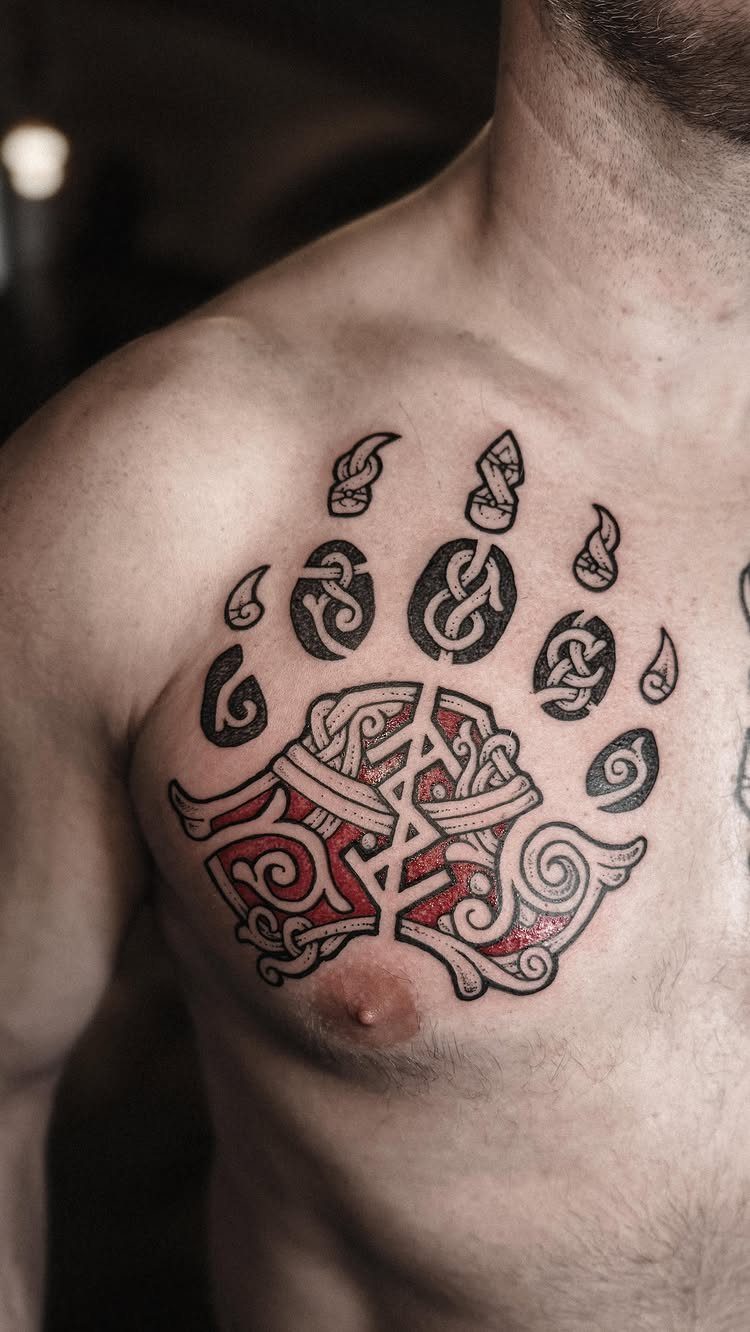
Bear claws slashing down or framed in knotwork read as both raw power and the instinct to protect.
The claw marks give a tattoo artist angles to work with, and adding red inside the lines brings the design forward without softening it.
Chest placement centers the design over the heart or sternum, which suits the protective meaning. The shape works equally well on a shoulder or upper arm if you want it visible in a T-shirt.
This one skews primal. It says less about strategy and more about standing your ground.
8. Tree Tattoo
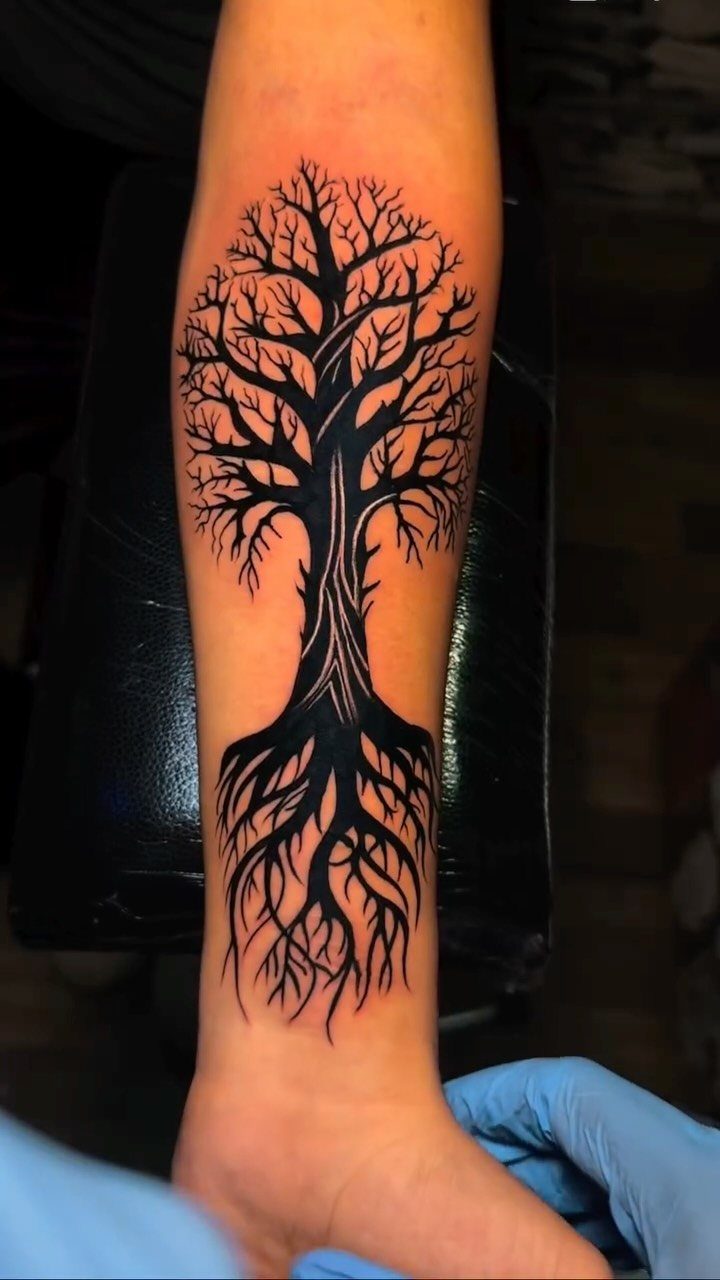
A tree with roots spreading as wide as its branches shows grounded strength that doesn’t need to move.
The symmetry between roots and limbs reads clearly on a forearm, and black ink holds detail in both the bark texture and the smaller branches.
Forearm placement keeps the design upright when your arm is at rest, which matters for a vertical image like this. The roots anchor the composition visually and give the design a base that doesn’t float.
9. Eagle Tattoo
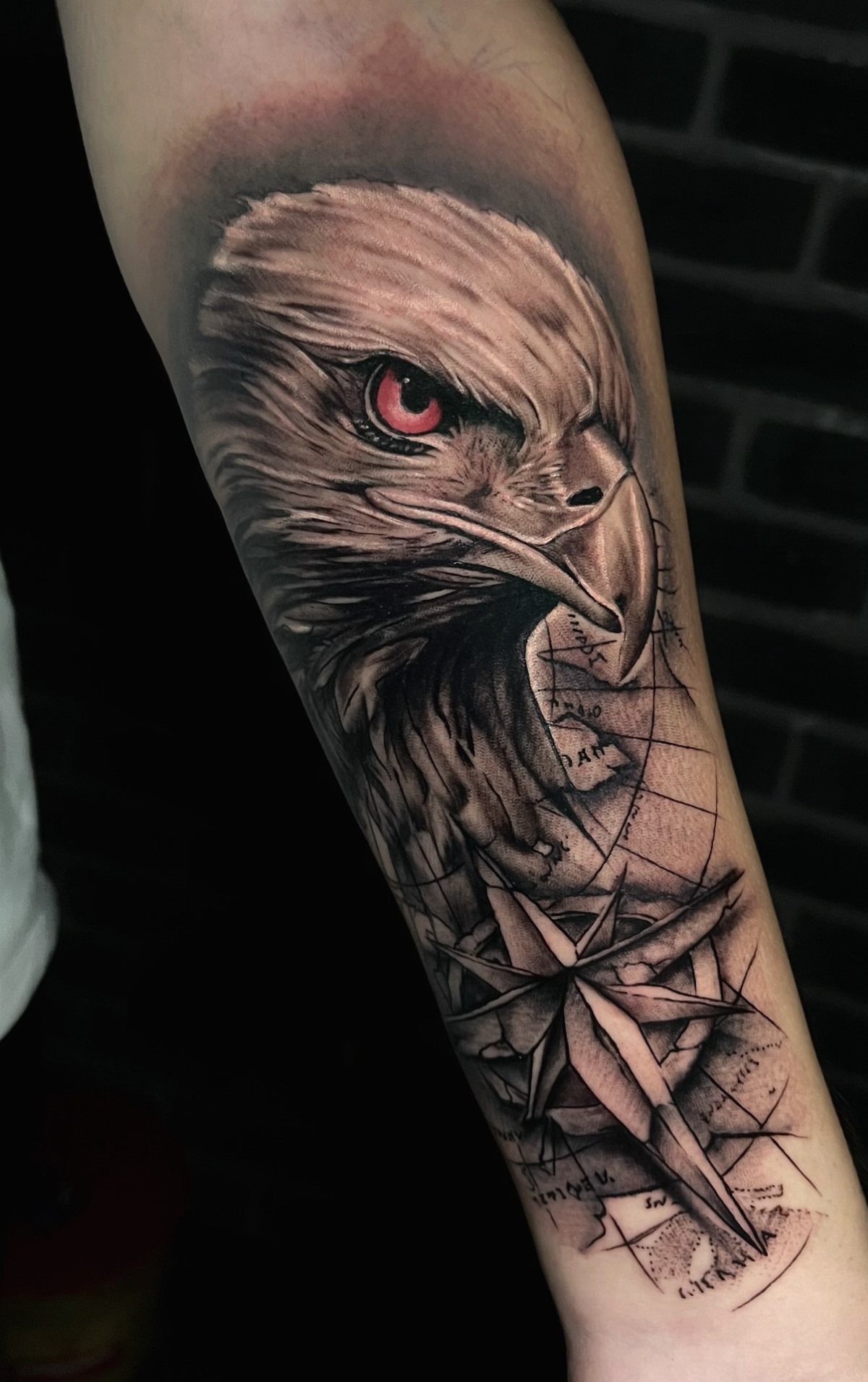
An eagle’s head paired with a compass or map shows vision aimed at a specific direction. The sharp eye detail draws attention, and a small hit of red in the iris keeps the piece from reading flat.
Forearm placement suits the vertical framing and lets you add background elements like coordinates or topography without crowding the bird. Black and grey shading on feathers holds up longer than trying to capture natural brown tones.
This design speaks to people who see strength as knowing where they’re headed, not just raw force.
10. Celtic Knot Tattoo
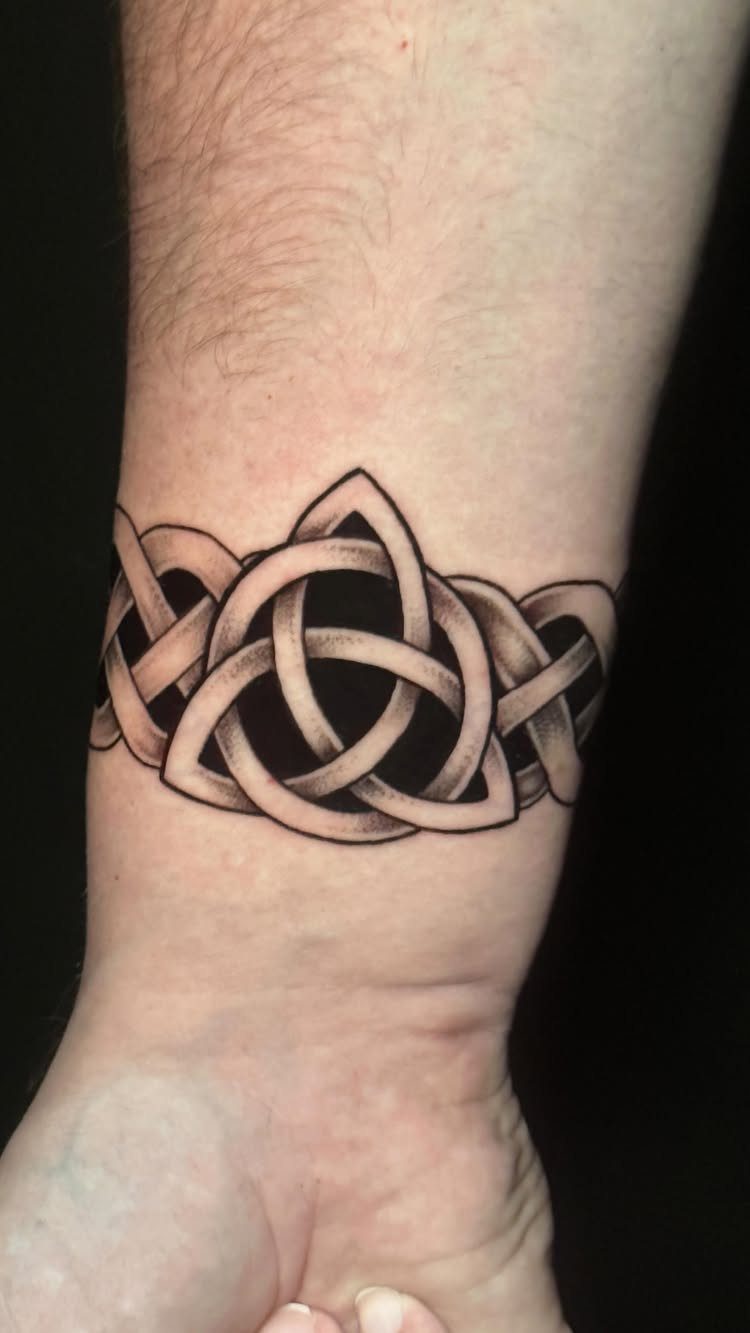
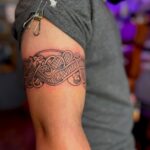
A Celtic knot wrapping all the way around a wrist or ankle represents strength with no beginning or end. The interlaced lines need clean execution because any wobble in the curves shows up when the design loops back on itself.
Wrist placement keeps it visible and works well if you want something you’ll see every day. The band format suits round body parts, and black ink at this size stays readable longer than trying to fit color into narrow lines.
Expect this one to sit higher on pain than flatter spots. Skin moves more over bone, and there’s less cushion.
11. Semicolon Tattoo
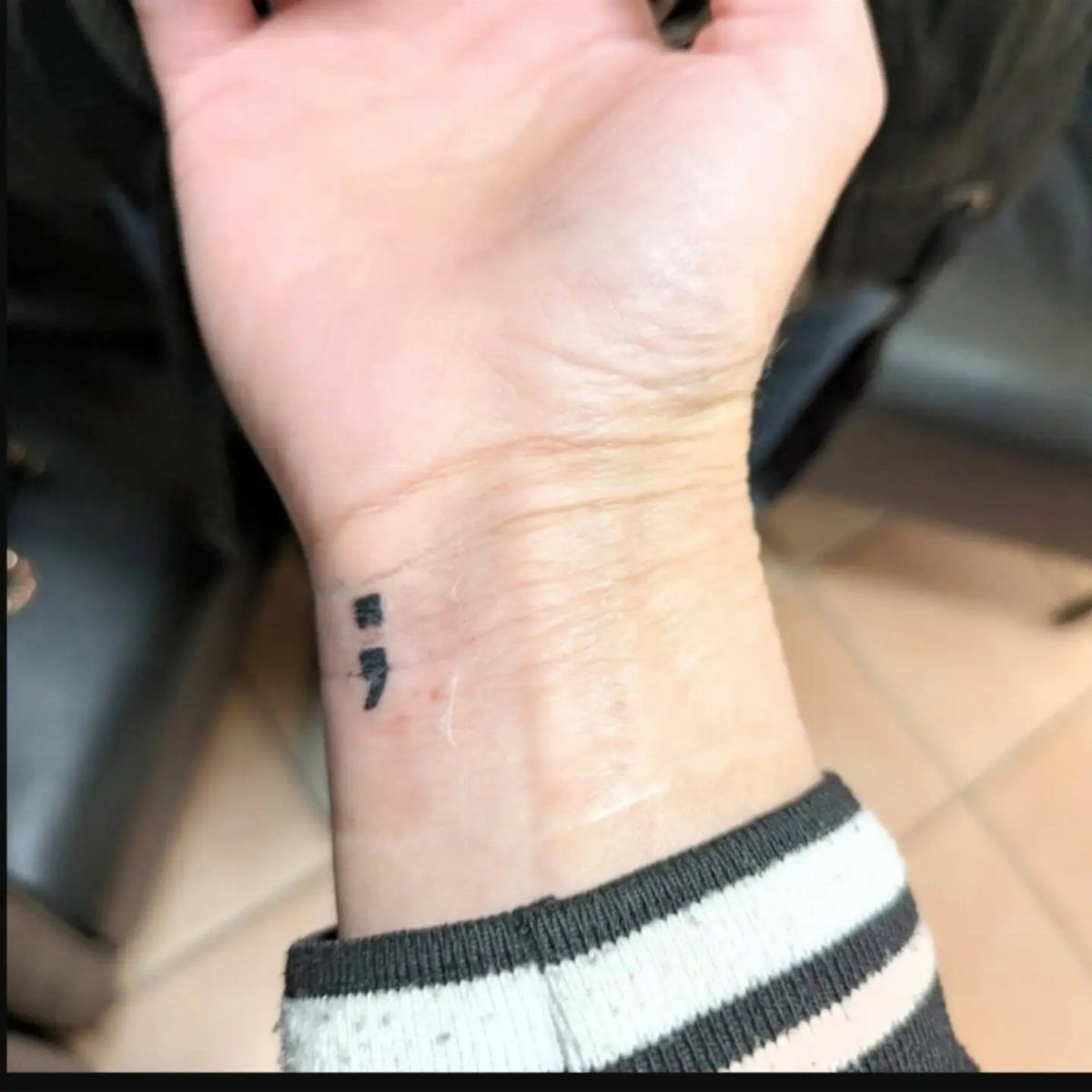
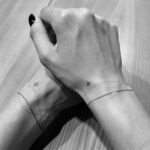
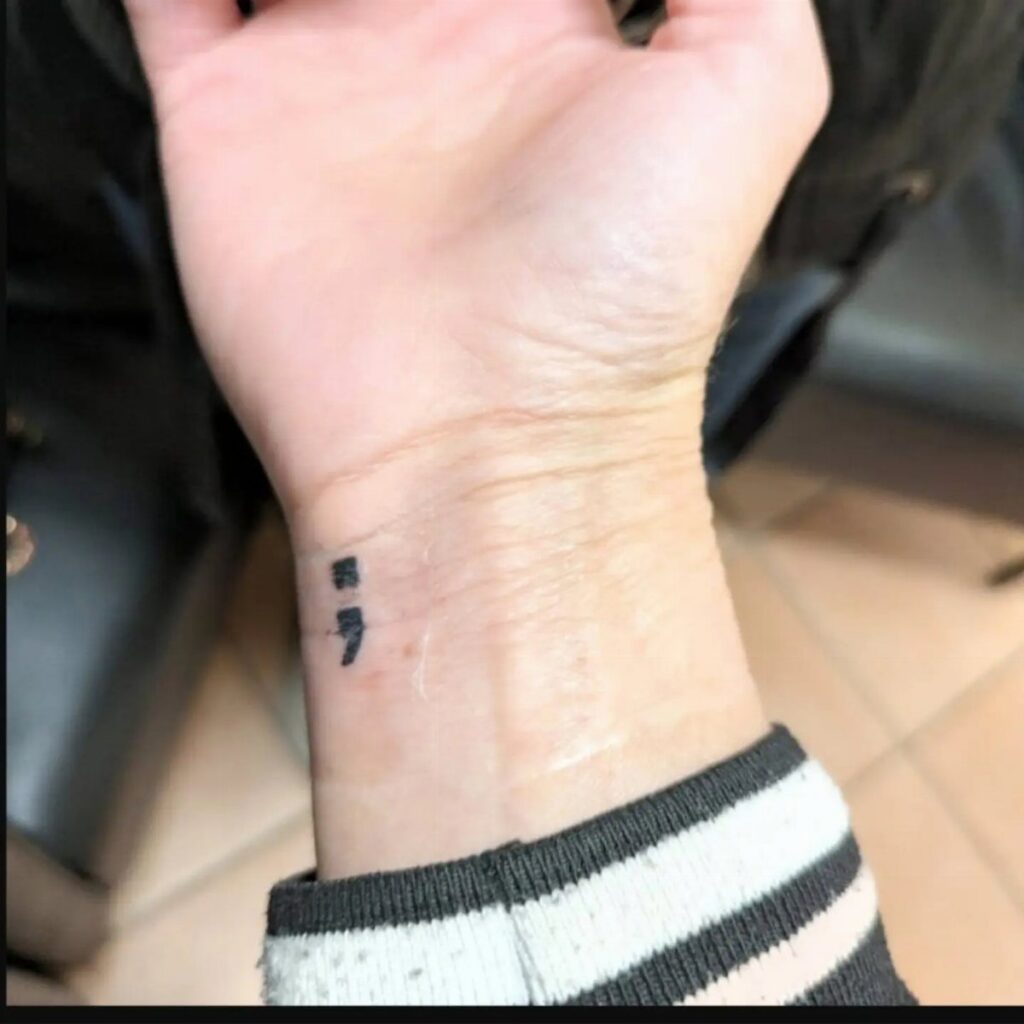
A semicolon marks the choice to continue a sentence rather than end it, and in the mental health community it’s become shorthand for surviving a low point. The size keeps it private unless you show it.
The design is fast and affordable, one of the simplest asks you can walk into a shop with.
If you want a strength symbol that doesn’t announce itself, this one does the job without decoration.
12. Hamsa Hand Tattoo
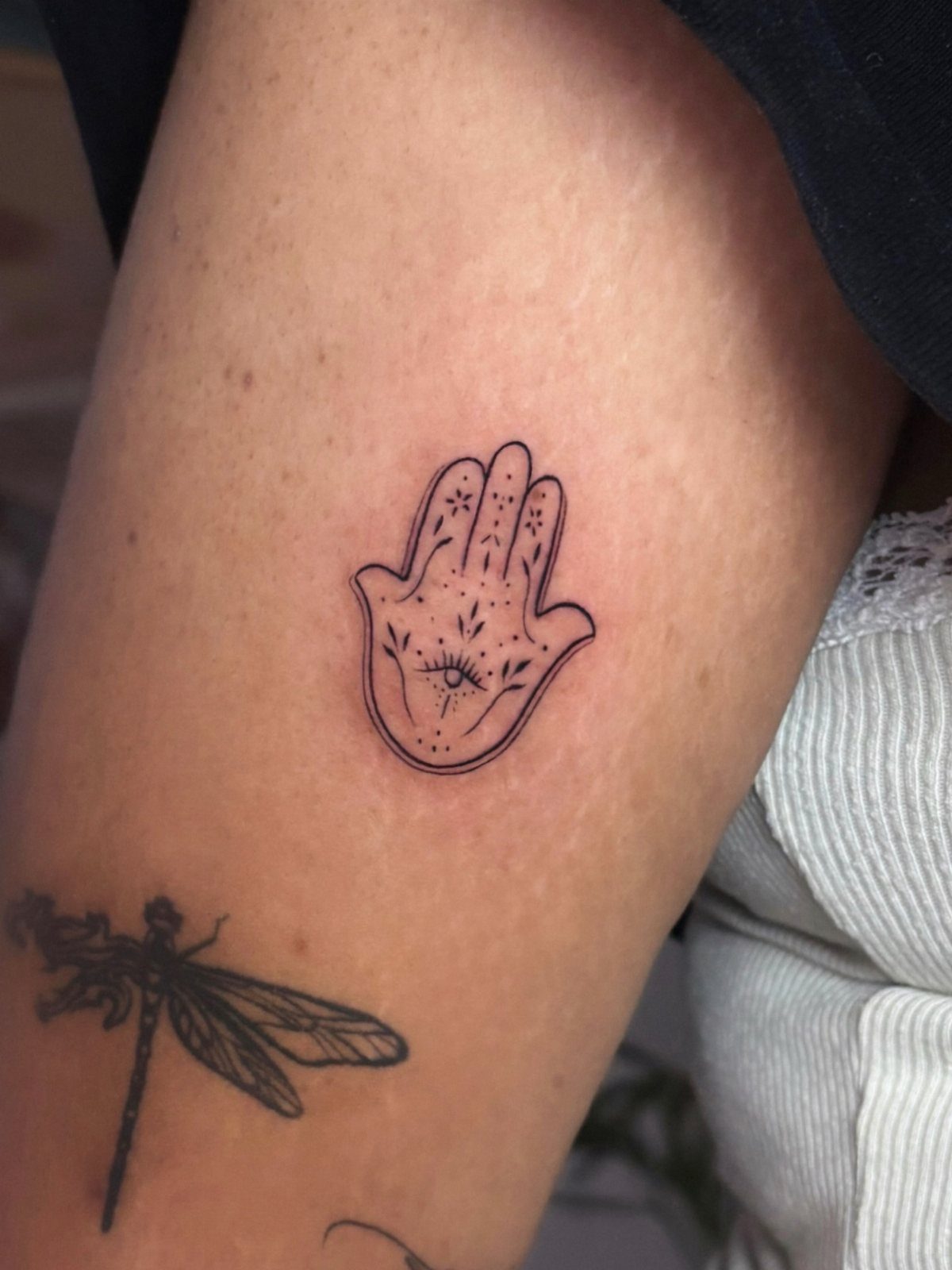
The eye in the palm adds a second layer: not just a shield, but one that sees what’s coming. The symmetrical fingers frame the eye naturally, and fine line work keeps the design readable without needing heavy shading.
Thigh placement gives you a flat canvas for the hand to sit upright, and the spot hurts less than ribs or wrist.
You can add other symbols like a dragonfly or mandala below it if you want a larger composition later.
This one reads more as deflecting harm than confronting it head-on, which suits people who see strength as boundary-setting.
13. Cactus Tattoo
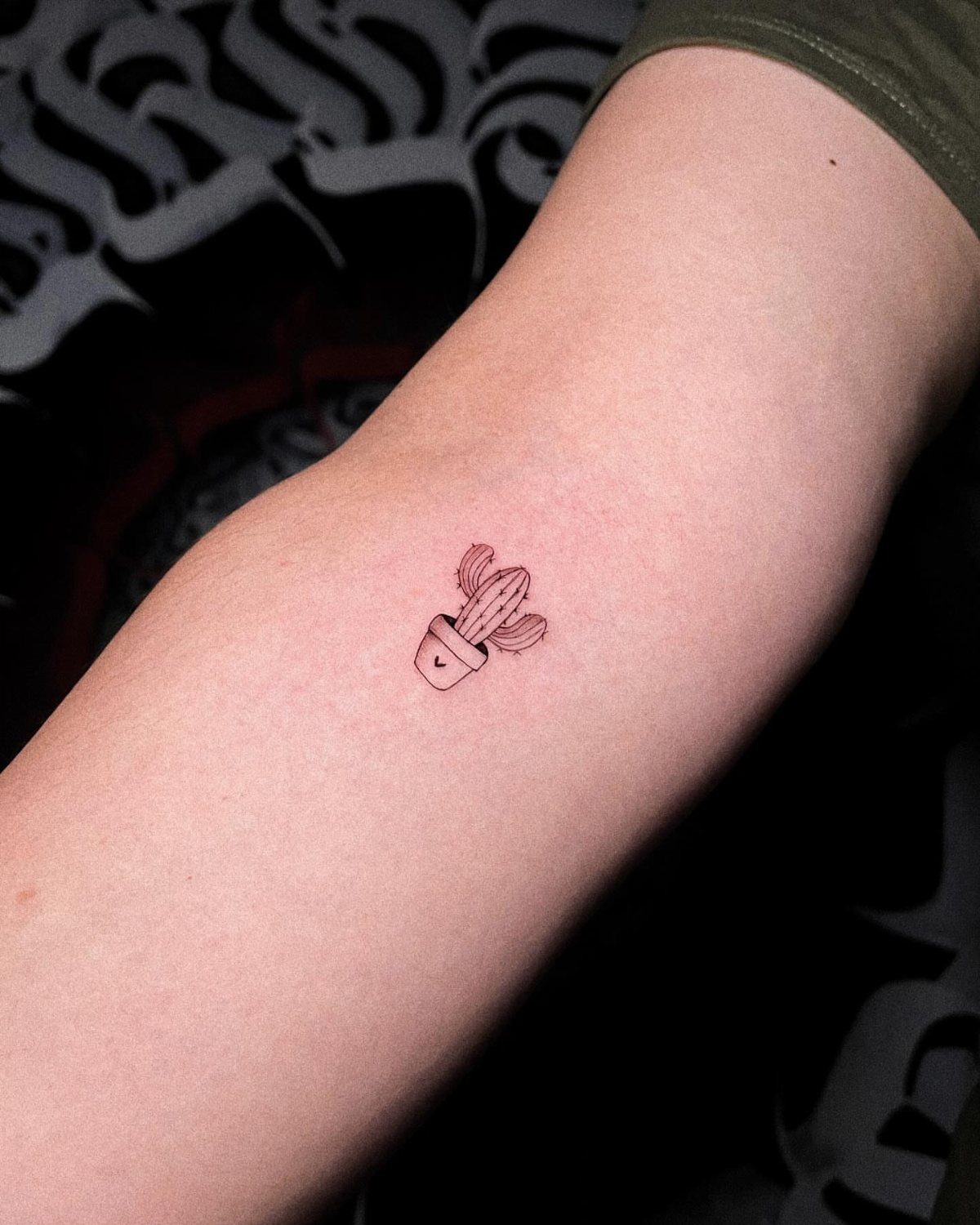
A cactus thrives where most plants quit, and that’s the reason it lands on skin as a reminder of resilience. The potted version keeps the design compact and contained, which suits a forearm or ankle without needing a large canvas.
Fine line work at this size stays readable if your artist uses a steady hand and doesn’t pack the lines too close together. Black ink alone avoids the maintenance color requires.
The small scale keeps it affordable and fast, usually under an hour in the chair.
14. Elephant Tattoo
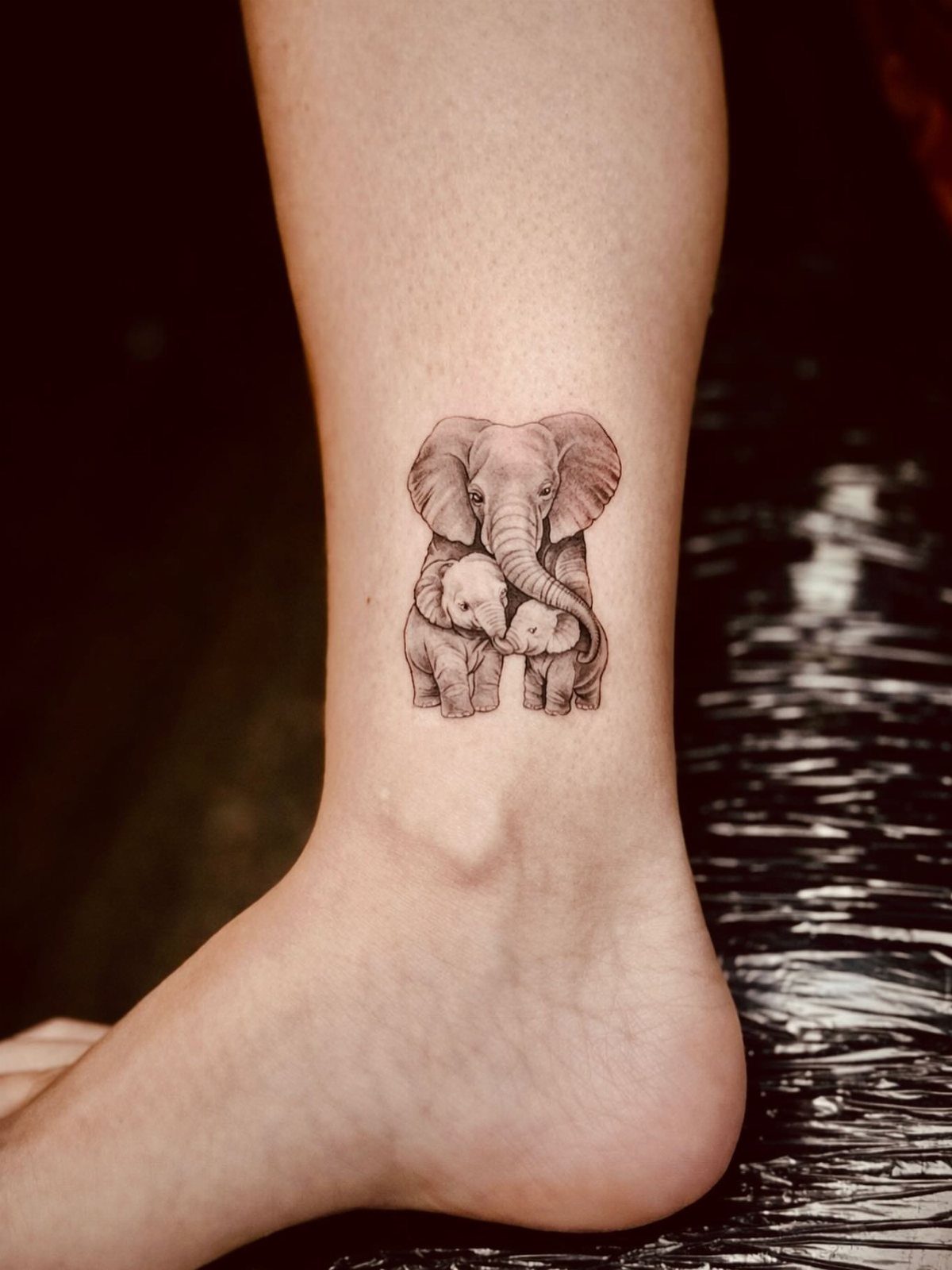
An elephant moving forward with young ones in tow represents steady strength rooted in protecting what matters.
The size difference between adult and calves gives the composition natural depth, and realistic shading in black and grey captures the wrinkled skin texture without needing color.
Ankle placement curves slightly with the bone, which adds dimension to the design when you stand. The spot sits lower on pain than ribs or sternum, though any area close to bone will feel sharper than muscle.
This one reads clearly as family and loyalty, not just raw power.
Considerations Before Getting a Tattoo
Personal meaning decides whether a design still feels right years later.
A symbol that ties to a specific moment or value you live by will still read right when the novelty wears off. Something chosen for looks alone might not.
Size and placement change who sees it and when.
A sleeve shows in most short sleeves, an ankle sits under pants most days. If your job has visibility rules, factor that in before you pick a spot.
Artist portfolios tell you who can execute the style you want.
A photorealism specialist won’t be the right fit for bold traditional work, and a watercolor artist may not have the line control fine geometric designs need. Look at healed work, not fresh photos, to see how their tattoos settle.
Clean it twice daily, keep it moisturized and avoid direct sun while it heals to stop the ink from spreading or fading early.
Personally, the most exciting part of looking through beautiful tattoo art is learning what the inspiration behind each piece of work symbolizes—especially when it comes to tattoos about strength.
Cultural Significance of Symbols
Some strength symbols carry specific cultural weight that goes past general resilience.
If a design comes from a tradition you don’t belong to, understand what it meant in context before you wear it.
A symbol used ceremonially or tied to lived hardship in its origin culture reads differently than one that’s always been decorative.
Talk to an artist who has worked with cultural designs and knows the difference between respectful adaptation and a surface copy. That conversation matters more than a Pinterest board.
Placement and Size Advice
Placement affects pain, visibility and how well the design ages. Spots where skin moves over muscle, like a calf or shoulder, hold ink more evenly than joints that fold.
A full sleeve or hand tattoo stays visible in most clothing.
An ankle, upper thigh or ribcage piece gives you control over when it shows. If your job requires covered ink, that narrows placement to spots a standard work outfit hides.
Size determines detail. A small wrist piece won’t hold the fine line work a larger forearm canvas can, and trying to fit too much into a tight space leads to blurring as the tattoo settles.
Frequently Asked Questions
What represents strength in a tattoo?
Animals like lions, eagles, bears and phoenixes show up most often because they carry immediate, recognizable power.
The design should tie to something specific in your life, not just look tough, if you want it to still feel right years later.
What’s a good symbol for strength?
A lion, phoenix, dragon or tree with deep roots all work if the meaning matches what strength looks like to you.
Lions and dragons lean toward raw force, a phoenix speaks to coming back after loss, and a rooted tree shows the kind of strength that doesn’t move.
Pick based on whether you want the design to read as aggression, resilience or being grounded.
What symbolizes a strong bond?
The knot loops without a start or finish, and because the lines cross back through themselves, it holds the idea of ties that survive tension.
The elephant’s weight moves in one direction with the herd behind it, which makes it about power used to shelter family rather than prove dominance. Both designs speak to loyalty and family rather than solitary power.