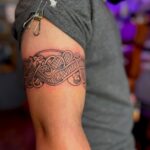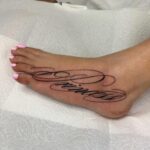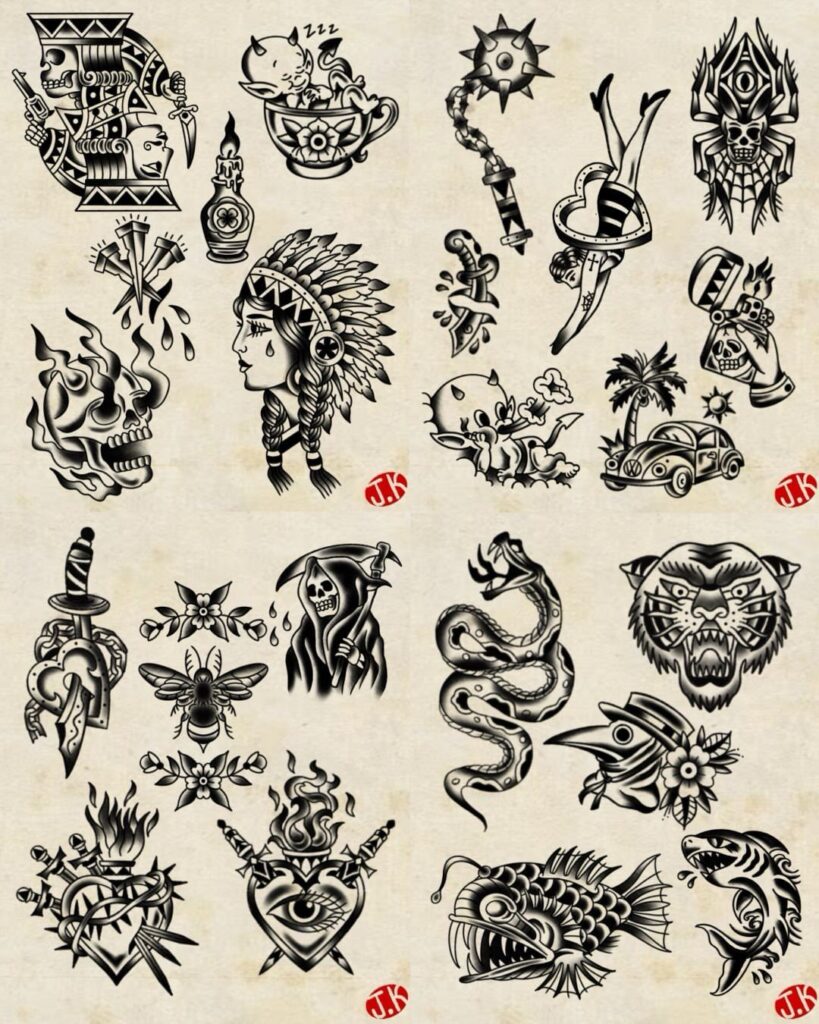
Flash designs split into categories that run from walk-in roses to collector sheets that post once and sell the same day.
Japanese flash condenses irezumi motifs into forearm-sized designs, new school pushes proportions past what traditional work allows, and realistic flash needs flat skin to hold the shading detail.
Custom work requires a deposit and weeks of drawing time, while flash stays ready on the wall or in the artist’s binder.
1. Traditional Flash Tattoo Designs
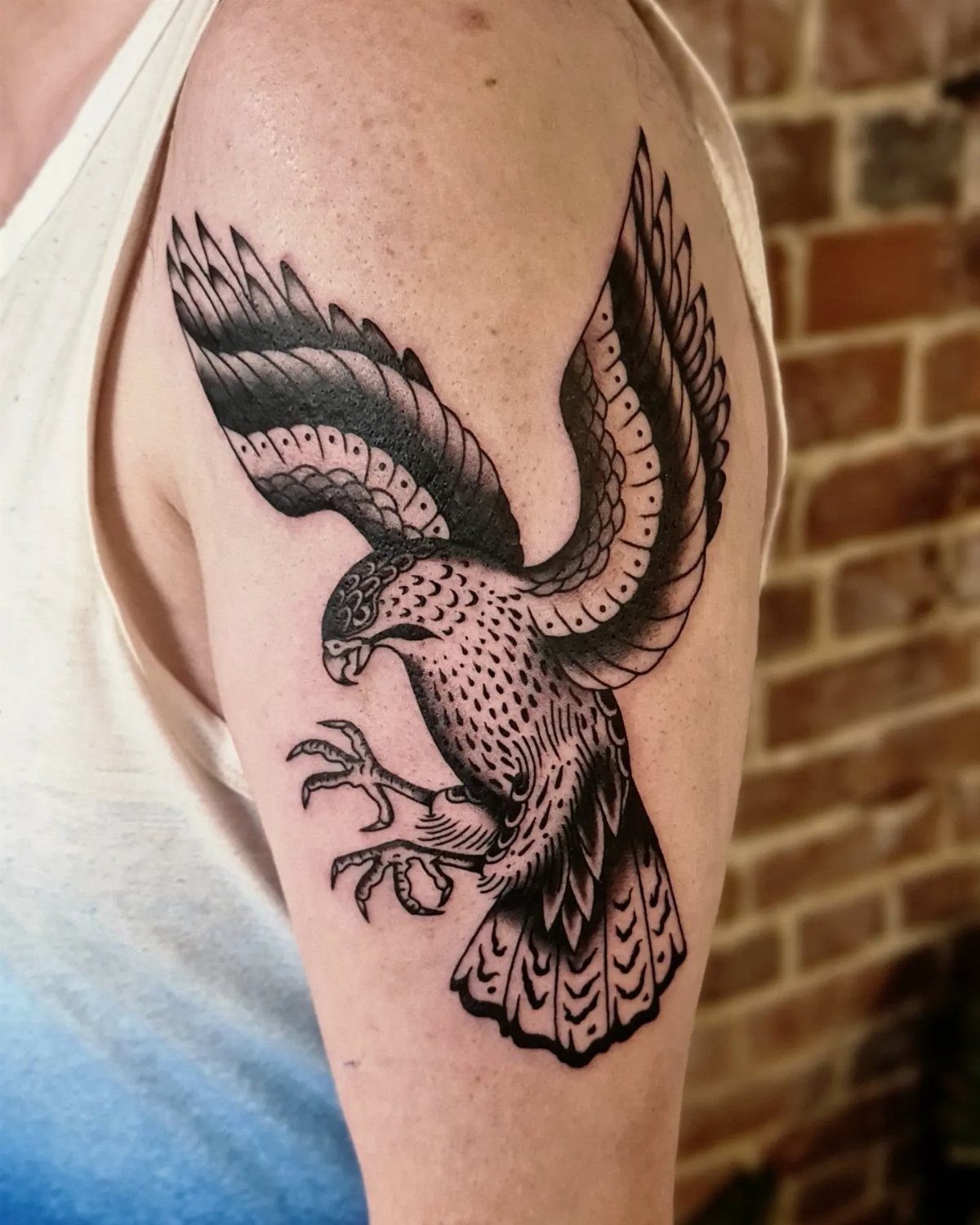
Traditional flash is the look most people think of when they hear the phrase: bold black outlines, limited color, and subjects like anchors, roses, daggers, and birds of prey.
The designs sit flat on the wall in most street shops, priced to move and sized to fit common spots like the upper arm or forearm.
I like traditional flash for anyone getting a first tattoo.
The bold line work holds up over decades, the designs read clearly from a distance, and you know what you are getting before the needle touches skin. Most artists can knock one out quickly, which keeps the cost manageable.
Tattoo flash is commonly printed on 11×14 inch sheets in North America.
2. Movie and Character-Inspired Flash Tattoos
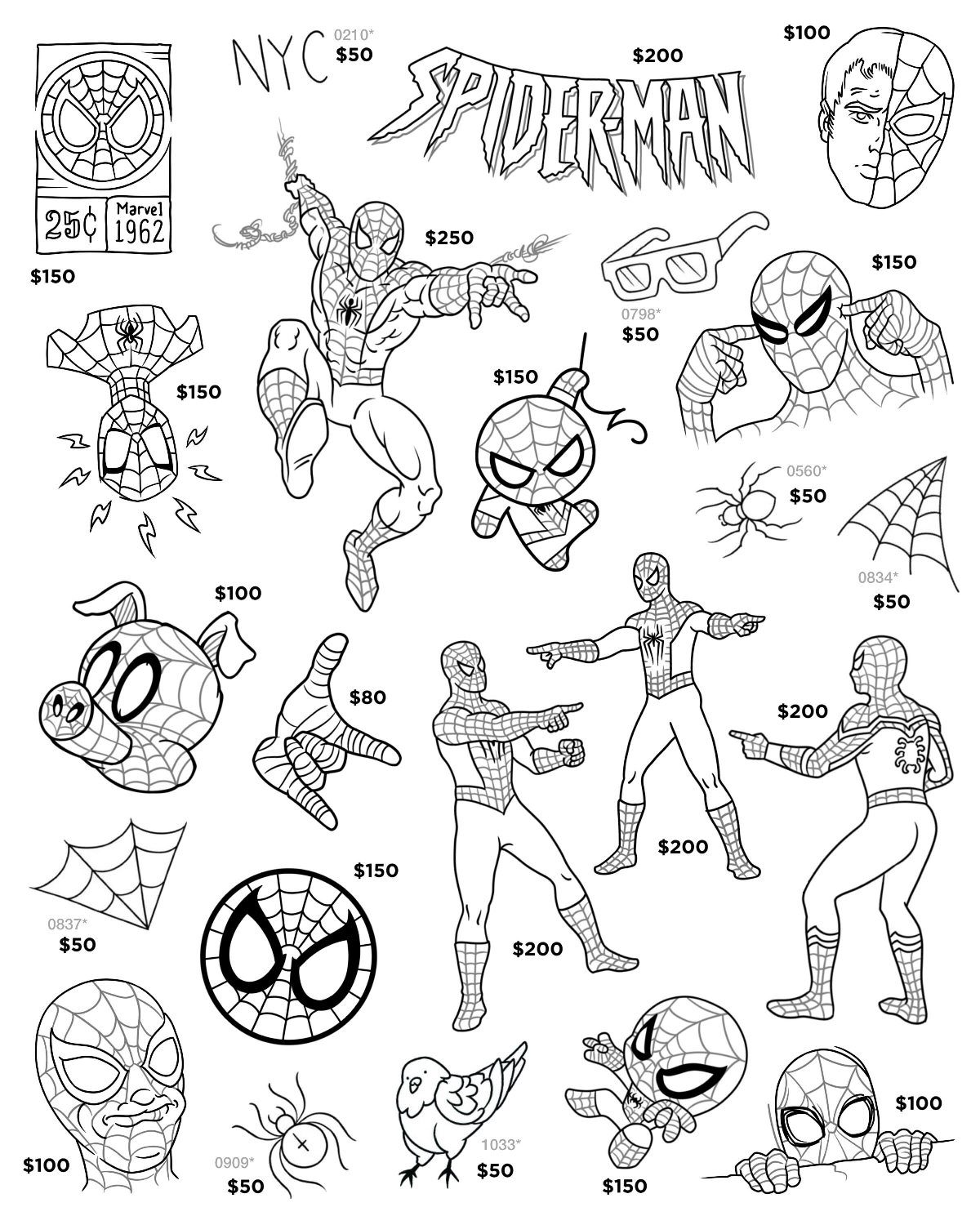
Flash sheets built around films and characters give you a ready-made design that already carries the reference.
Spider-Man, horror villains, and animated favorites all turn up on shop walls, often priced by size and printed with the cost right on the sheet.
These work best when the design still reads as a tattoo outside the fandom.
A web-slinger mid-swing with clean line work ages better than a movie poster squeezed onto your calf. Check that the flash artist simplified the character into something that fits tattoo proportions, not just traced a screenshot.
3. Mandala Flash Sheet
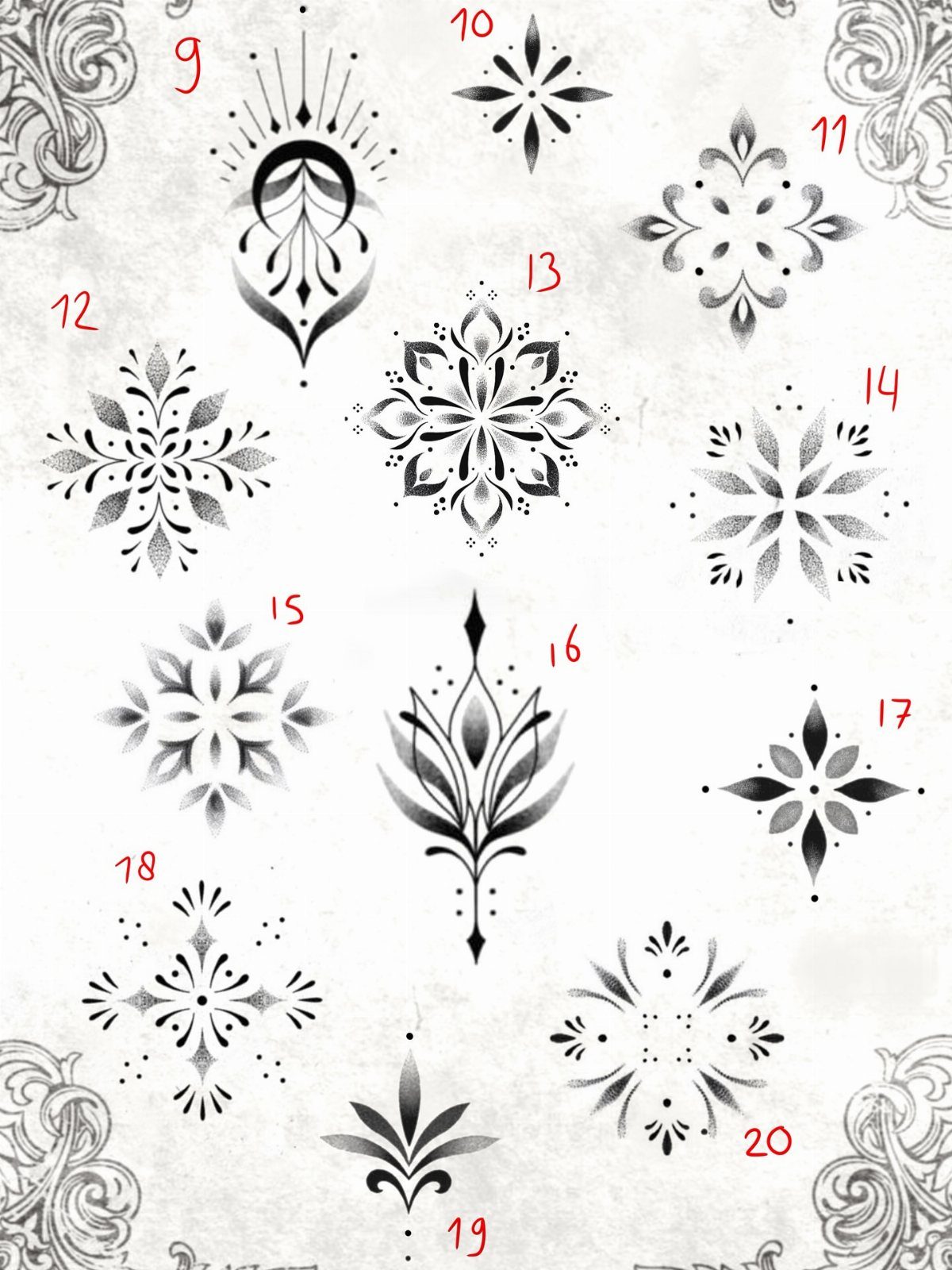
Mandala flash sheets pack symmetrical designs onto one page, numbered and ready to trace.
Artists use them for practice because the repeat patterns test line consistency, but they also work for clients who want a geometric piece without sitting through a custom drawing session.
The numbered grid makes it easy to point and pick.
The symmetry means placement on the forearm, shoulder, or back of the calf all work equally well. If you want one altered, ask before the appointment; not every artist will redraw flash.
4. Realistic and Detailed Tattoo Flash
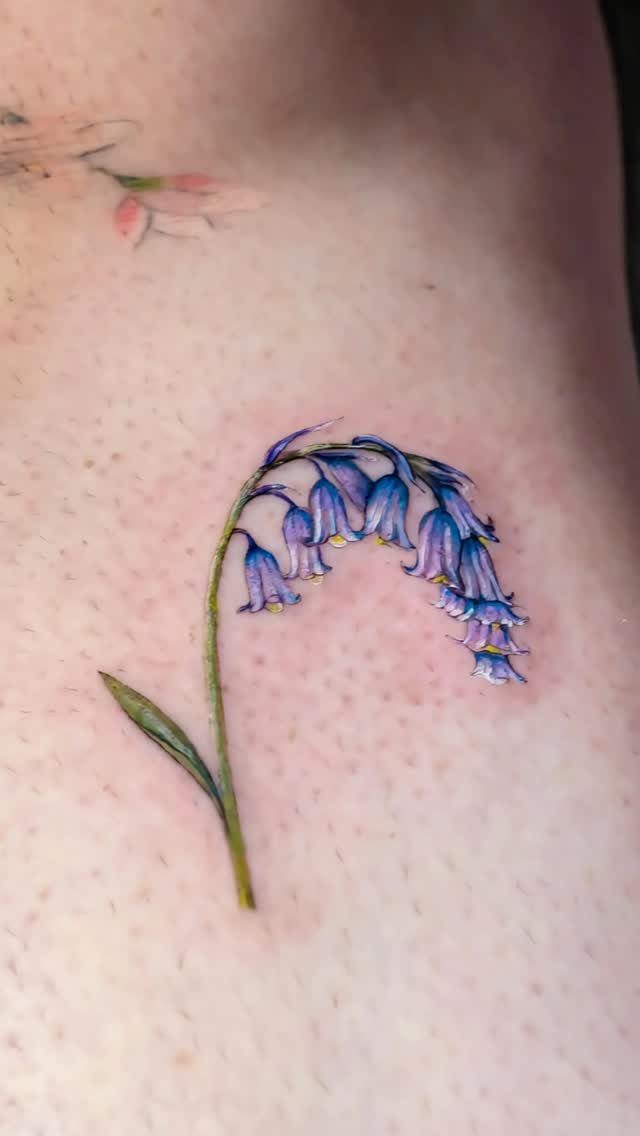
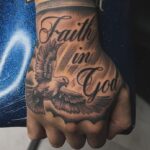
Realistic flash leans on photo reference and shading detail to mimic how a subject actually looks. Flowers like bluebells, portraits, and animal studies all turn up in this category, and the best examples hold fine detail without crowding the skin.
You need an artist who works in realism regularly, not just someone copying a flash sheet.
Realistic pieces take longer than traditional flash, and the cost climbs with the detail level. Placement matters more here because realistic shading needs flat, smooth skin to read correctly; avoid joints and areas that stretch often.
5. New School Flash Tattoo Designs
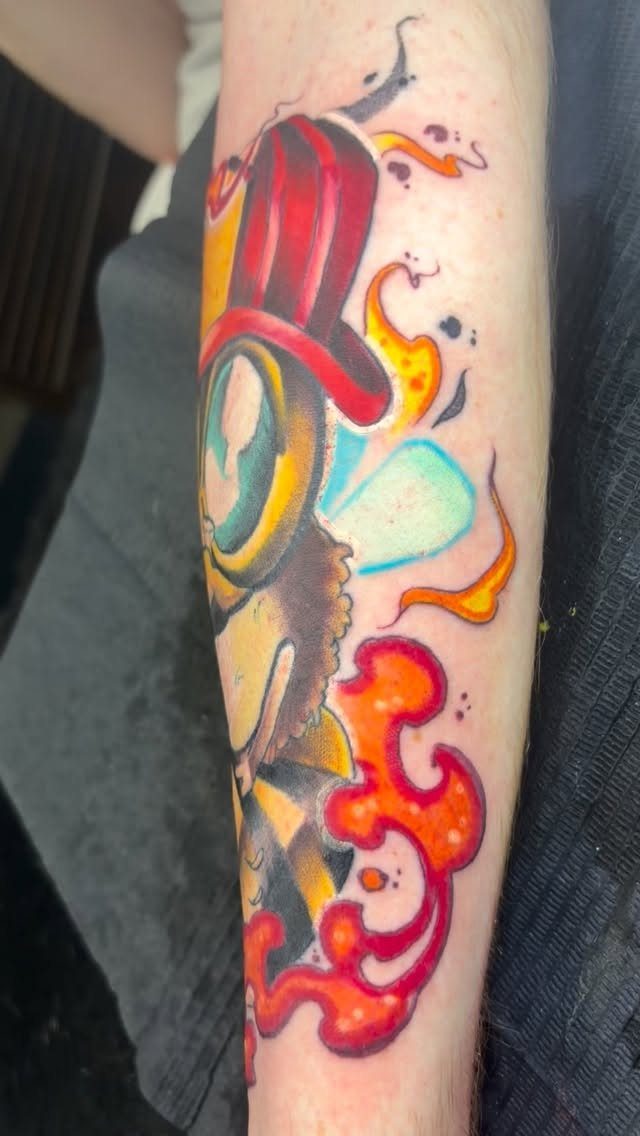
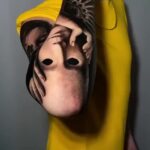
New school flash pushes proportions and color saturation past what traditional designs allow.
Characters get oversized heads, bulging eyes, and cartoon physics, all wrapped in bright gradients and thick outlines. The style borrows from graffiti and animation, and the result reads more like a sticker than a classic tattoo.
This style suits anyone who wants their tattoo to look playful rather than serious. The bright colors fade faster than black and grey, so plan on a touch-up every few years if you want the piece to stay punchy.
Placement on the outer arm or thigh gives you room for the exaggerated shapes to breathe.
6. Japanese Flash Tattoo Designs
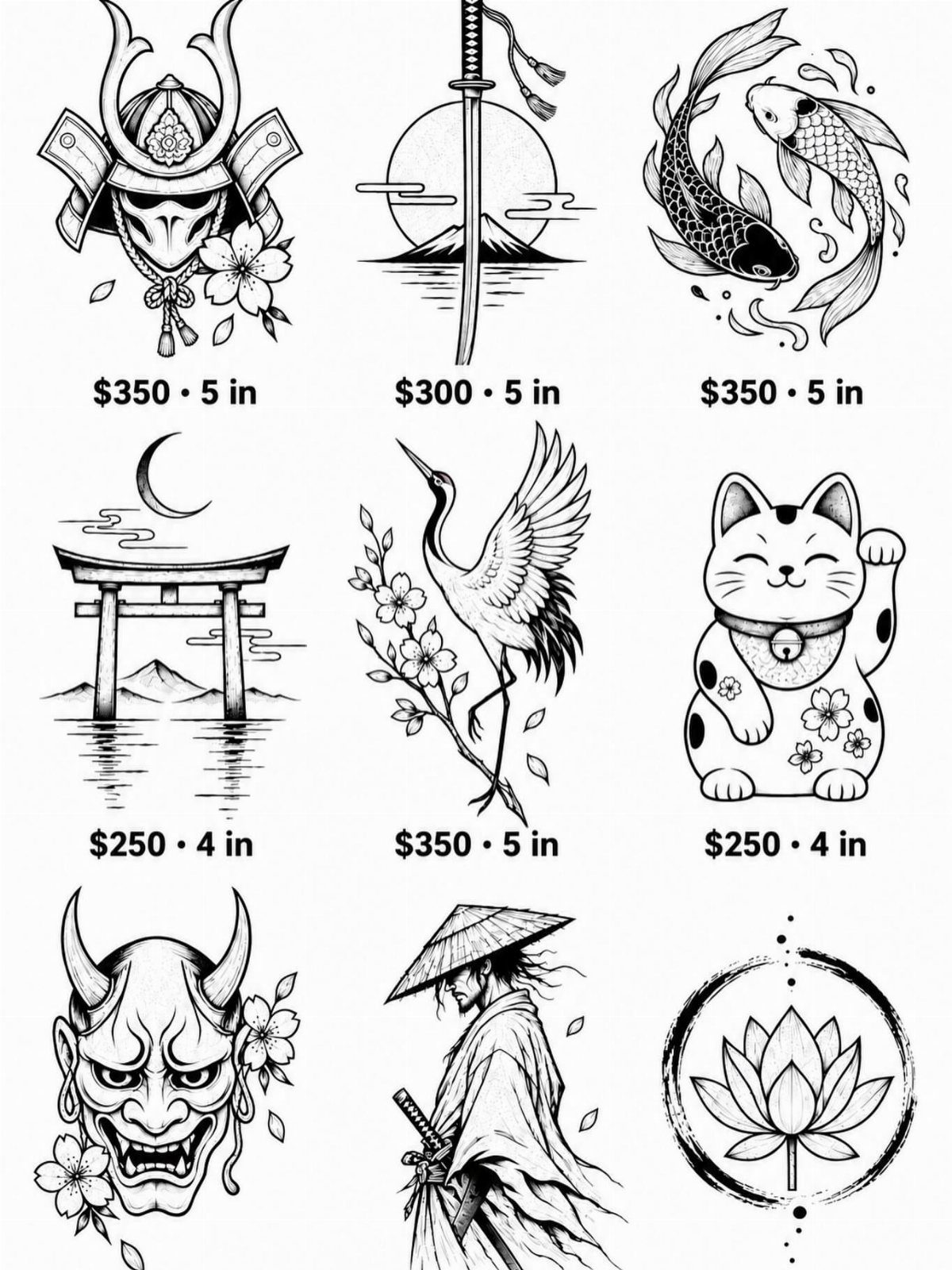
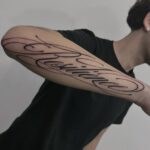
Japanese flash condenses traditional irezumi motifs into smaller, flash-sized designs. The line work stays bold and the compositions simplified compared to full sleeves, but the references remain clear.
These designs work well on the forearm, shoulder, or calf.
If you plan to build a larger Japanese piece later, check that the flash design can expand or connect to other elements; some stand-alone flash does not transition well into larger compositions.
7. Collector Flash
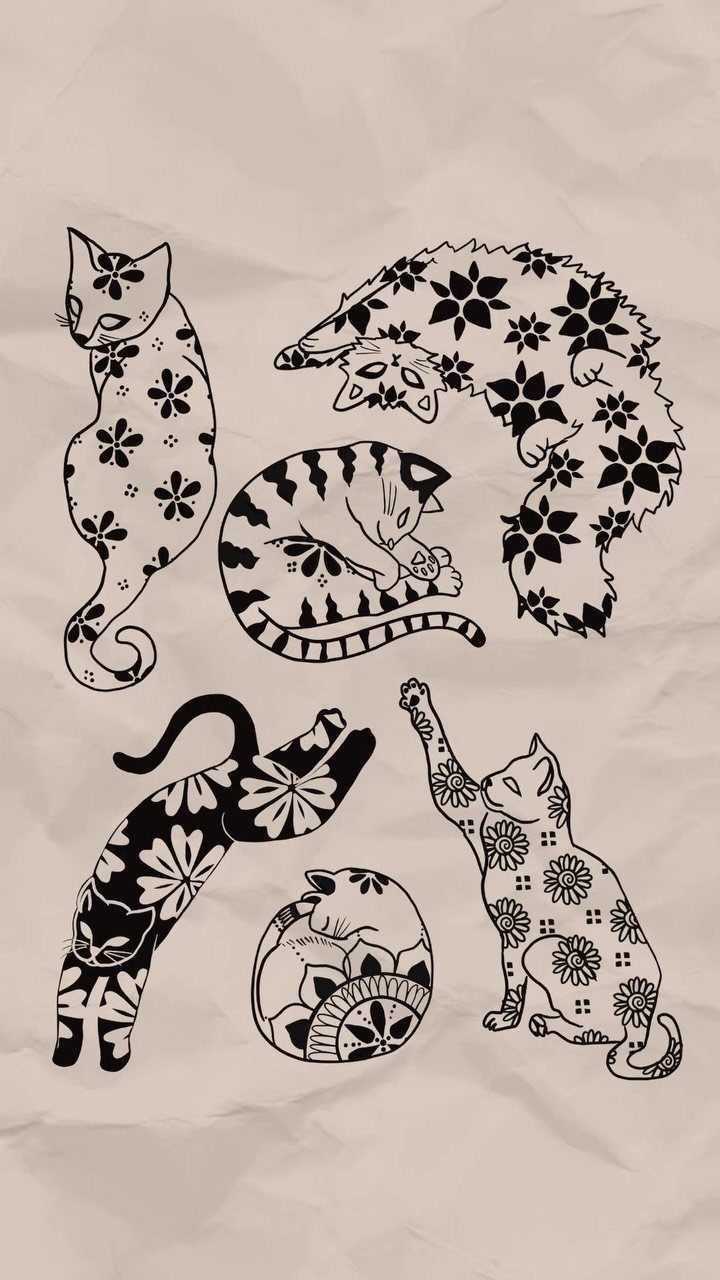
Collector flash refers to one-off designs an artist draws and hangs once, often in a single copy.
When someone claims it, the sheet comes down. The style and subject follow the artist’s own work rather than what sells fastest, so you get something that feels personal even though you did not commission it.
Shops post collector flash on Instagram a few days before the appointment slot opens.
If you see a design you want, expect to move quickly; these do not sit on the wall for months. Pricing runs higher than market flash because the artist is not reusing the drawing.
8. Market Flash
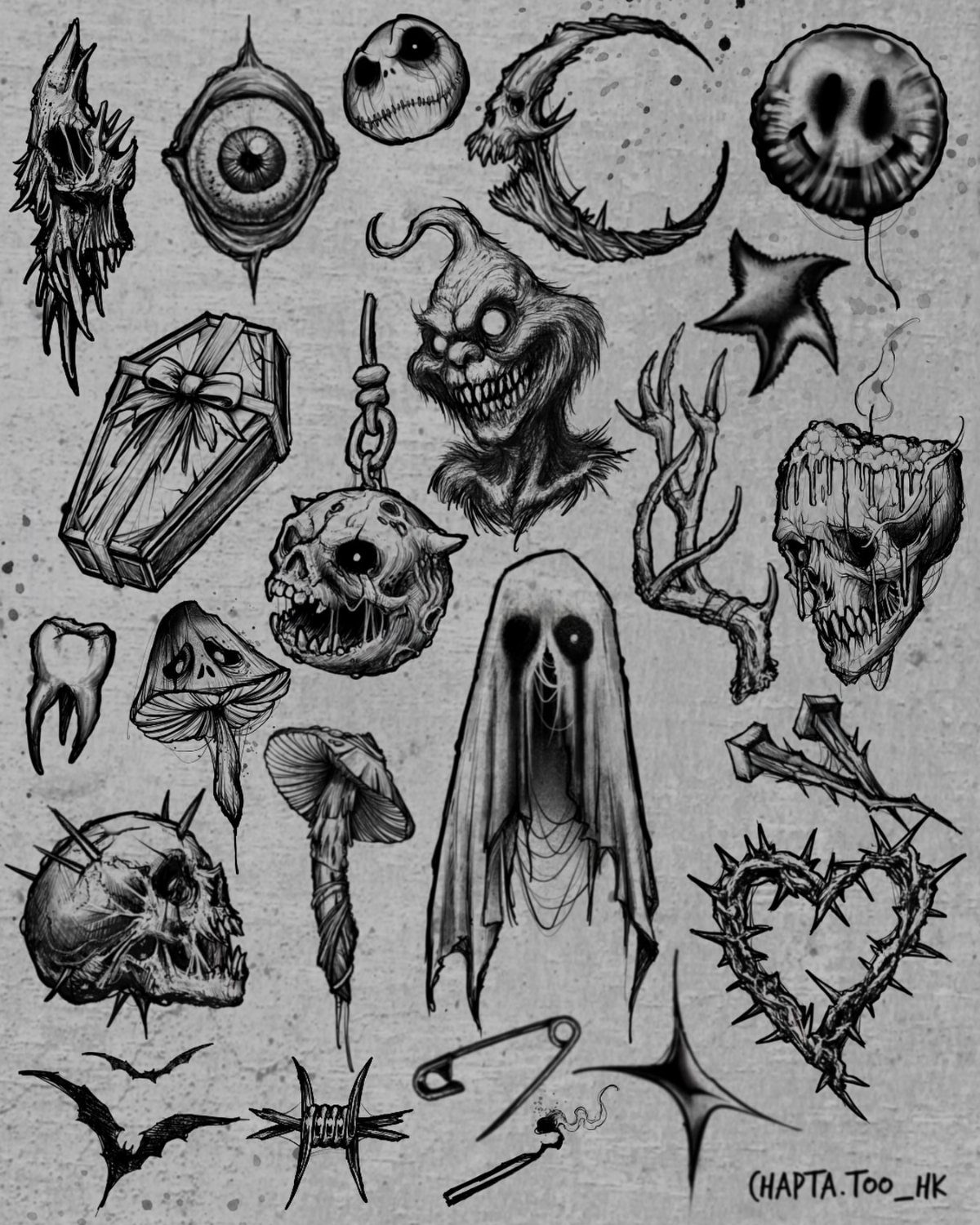
Market flash covers the designs every shop keeps on hand: skulls, roses, panthers, swallows.
The drawings sit in binders or taped to the wall, numbered and priced, and the artist has tattooed each one dozens of times. You walk in, point, and leave with ink the same day.
This category suits anyone who wants a tattoo without waiting weeks for a custom drawing or paying custom rates.
The designs hold up because they have been tested on hundreds of clients. Placement flexibility is high since the artist knows which version of each design fits an arm, ribcage, or ankle.
Benefits of Flash Tattoos
Flash tattoos cost less than custom work because the artist already drew the design.
You skip the consultation and the deposit that covers drawing time, and most flash pieces use fewer colors and fit smaller spots, which cuts the session length.
If you want your first tattoo but aren’t ready to commit hundreds of dollars to a custom piece, flash gives you a way to test the decision.
The design is finished before you sit down, so you see exactly what goes on your skin.
Walk-in availability depends on the shop, but flash sheets stay ready.
Some artists keep market flash in binders year-round, while collector flash sells once and comes down. Either way, the turnaround runs faster than booking a custom consultation weeks out.
Differences Between Flash and Custom Tattoos
Custom tattoos require a deposit upfront because the artist spends hours drawing something no one else will wear. Flash skips that step entirely; the design already exists, numbered and priced on the wall or posted online.
Size and complexity drive the cost gap.
Flash pieces usually fit the forearm, shoulder, or ankle in a single session. Custom work runs larger and takes multiple sittings, especially for sleeves or back pieces that need the artist to plan how each section connects.
If you want a tattoo that reflects a specific memory or incorporates personal symbolism, custom is the only route.
Flash offers speed and a lower price, but the design stays close to what the artist drew. Some clients use flash as a starting point and ask for minor changes, though that depends on the artist’s policy.
Personalization Options
Most artists will adjust flash colors or flip the orientation to suit your placement, but the core design stays intact.
If you want a rose from the sheet in a different color palette or mirrored to follow your arm’s line, ask when you book. Small tweaks like that rarely add cost.
Structural changes fall outside what flash allows. If you want different proportions, added elements, or a full redraw, that crosses into custom territory and the pricing shifts to match.
Flash exists to save drawing time, so asking for heavy alterations defeats the purpose for both you and the artist.
Check the shop’s policy before the appointment.
Some artists treat flash as fixed and will decline any changes, while others build flexibility into how they price collector sheets. The answer depends on whether the artist sees the design as a final piece or a template.
Frequently Asked Questions
What are flash tattoos?
Flash tattoos are pre-drawn designs that artists display on sheets or online, ready to tattoo without a custom drawing session.
You pick from what’s already finished, the artist prices it by size and detail, and you skip the consultation deposit. Shops use flash to fill walk-in appointments and offer tattoos that cost less than fully custom work.
Are flash design tattoos cheaper?
Yes, flash tattoos cost less than custom pieces because the drawing is already done.
Session time drops when the design lands under 3 inches and sticks to 1 or 2 colors, and you skip the consultation fee entirely. Custom work requires hours of design time and usually needs multiple sittings for larger pieces.