The designs here range from floral and script pieces on the collarbone to ornamental work running down the spine, celestial symbols, and small animals rendered in single-needle detail.
A single round liner deposits less ink per pass than the 6RL to 13RL groupings in traditional styles, which means fewer needles entering the skin at once, though pain still depends more on placement than line weight.
1. Fine Line Tattoos
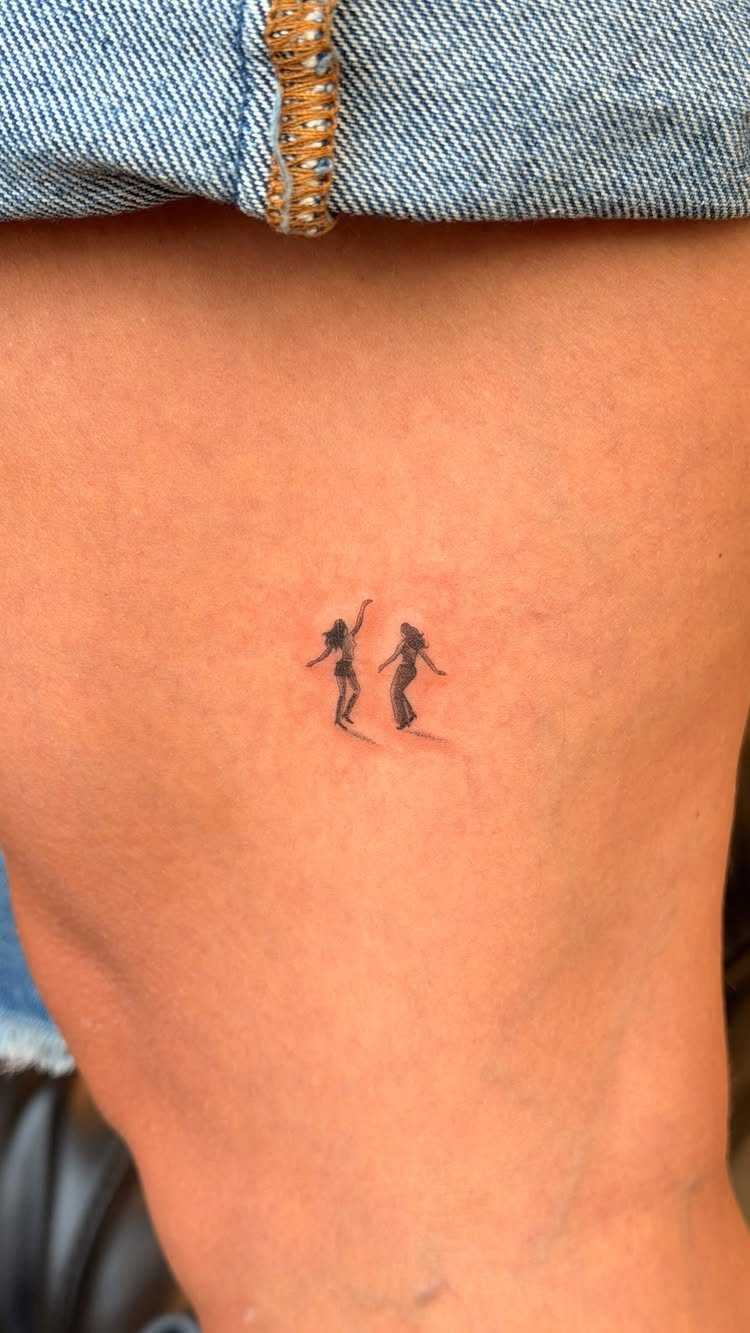
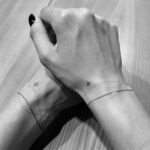
Fine line tattoos use a single liner needle to lay down thin, delicate black ink that reads more like pencil or pen than traditional tattoo work.
The lines stay crisp when the design is small and stays simple, which makes them a good fit for something subtle that won’t dominate the spot.
They fade faster than bold work because there’s less ink in the skin, so you’ll need a touchup every few years to keep the contrast sharp.
Placement matters: spots with less friction, like the inner forearm or collarbone, hold detail longer than hands or feet.
With that being said, Kim points out that fine line tattoos do tend to fade quicker due to the fact that the ink isn’t as densely packed under the skin as with other thicker tattoos.
— Allure
2. Floral Tattoos
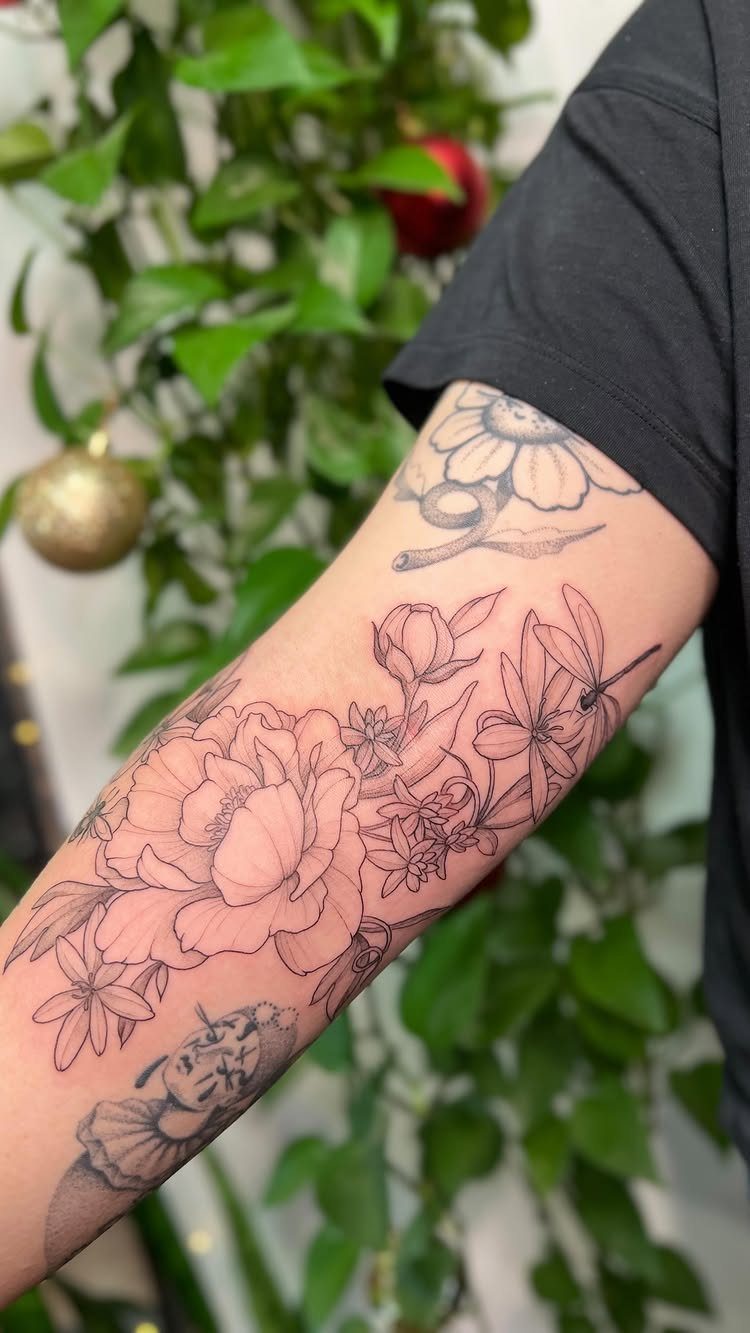
Floral designs work well in fine line because petals and stems already have natural taper and curve.
The lighter weight keeps a peony or daisy from looking too bold, which gives you room to layer several flowers without crowding the forearm or upper arm.
Black ink alone reads cleanly and ages better than color in fine line, since there’s less pigment holding the shape. If you add shading, keep it light: too much density breaks the delicate look.
Plan for a touch-up, especially around the edges where the thinnest lines sit.
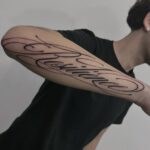
3. Script and Lettering
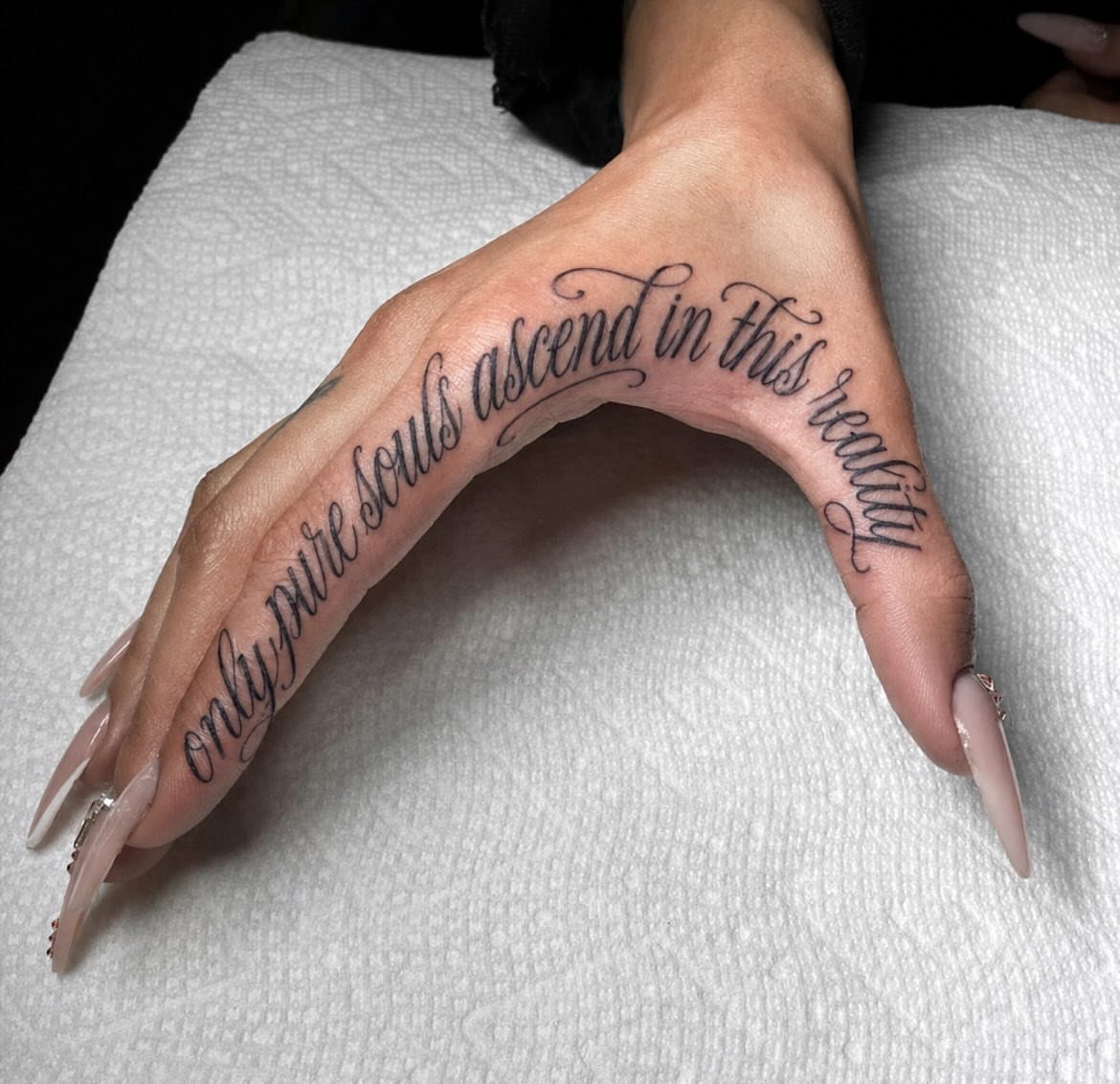
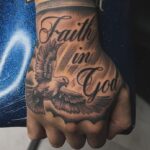
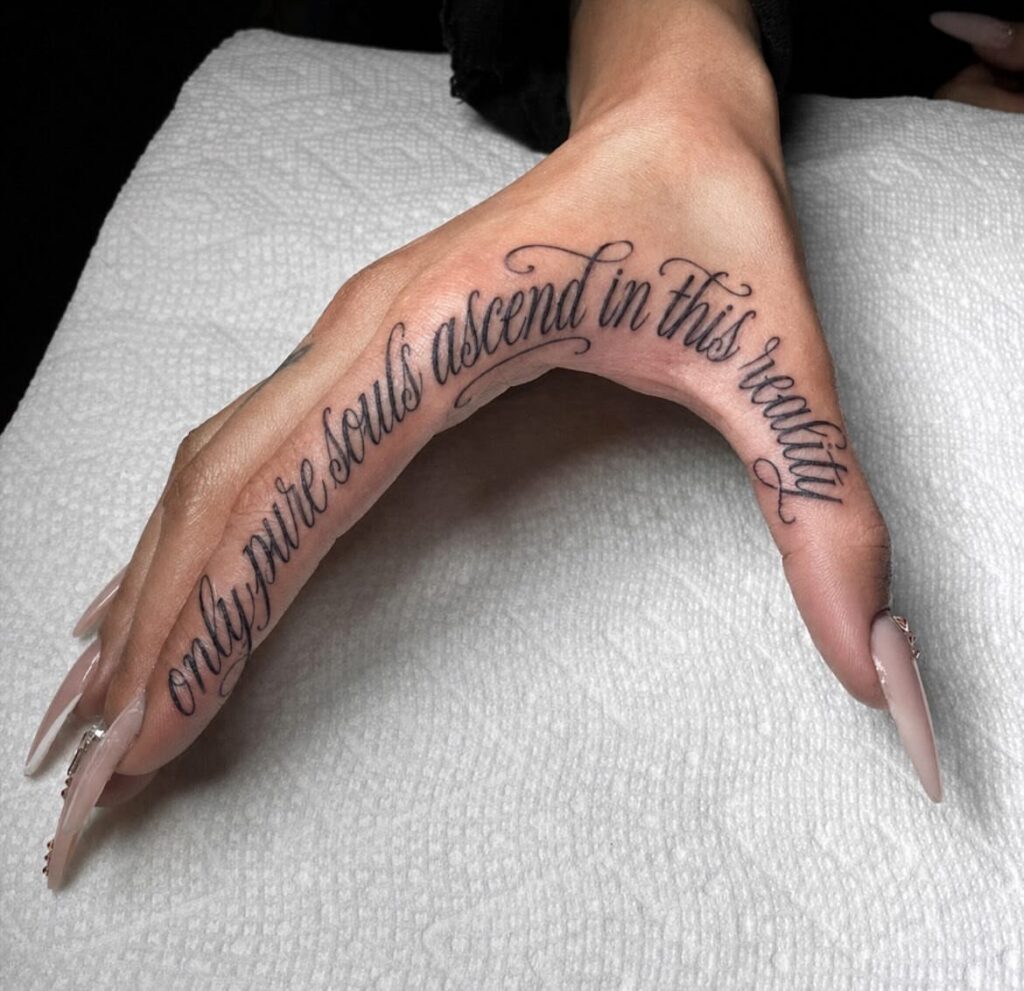
Script in fine line gives you readable text without the heavy outline of traditional lettering. Cursive flows better than print at small sizes, and the thinner stroke keeps longer phrases from filling the hand or wrist completely.
Legibility depends on scale: if the letters are too small, the fine line blurs into one shape after a few years. Keep the text at least a quarter inch tall, and leave space between lines if you’re stacking phrases.
Placement on flat skin like the forearm or ribs holds better than joints or fingers, where movement stretches the ink over time.
4. Small Animal Tattoos
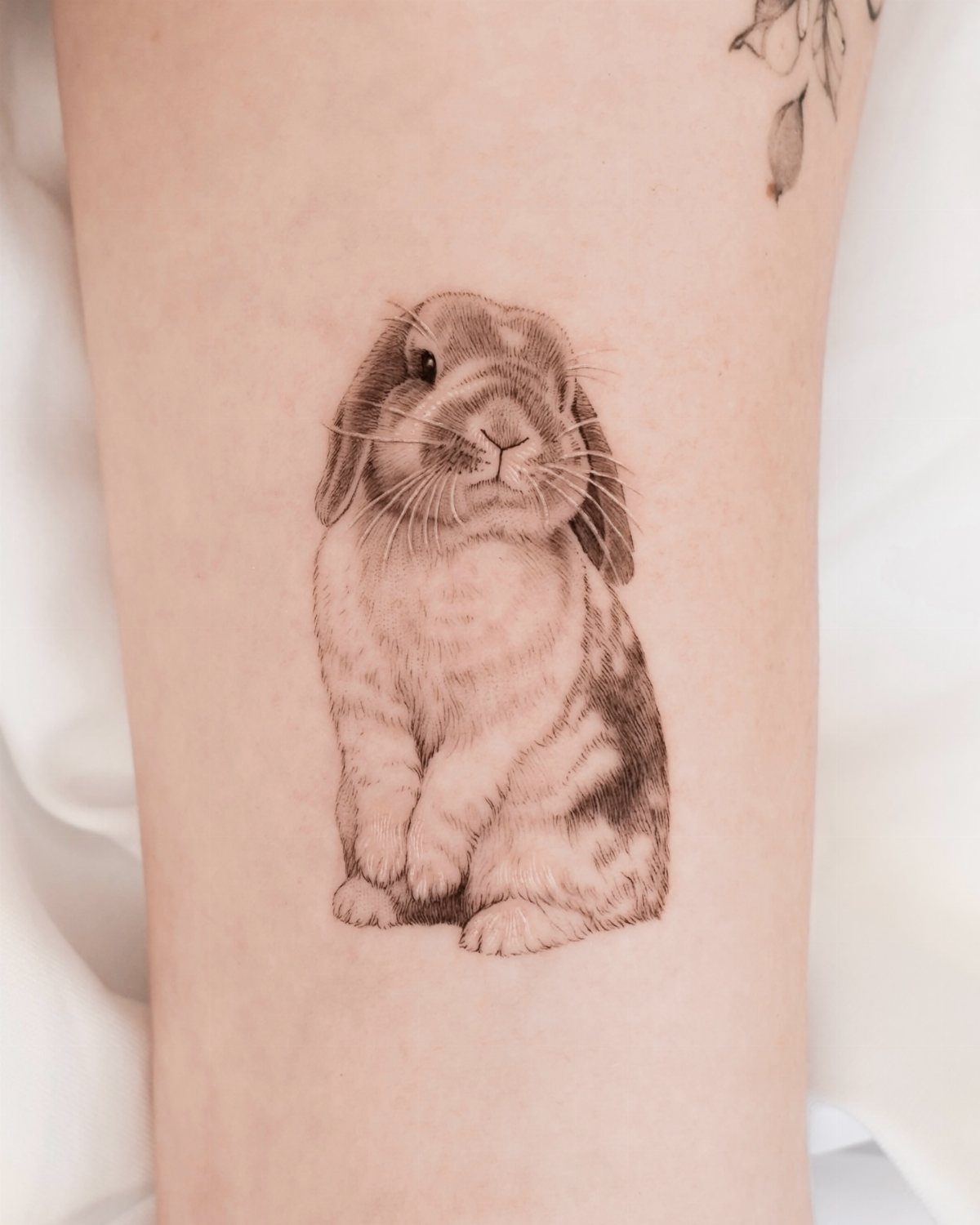
Small animal tattoos in fine line give you recognizable shape without taking up much space.
A rabbit, bird or cat fits a small space and still reads clearly when the design focuses on silhouette and a few defining features instead of heavy shading.
Placing it on the forearm or calf means less friction than hands or feet, where thin lines blur faster.
For fur texture or feather detail, ask your artist to use light hatching instead of solid fill. Too much shading in fine line muddies the look.
5. Collarbone and Inner Arm Fine Line Tattoos
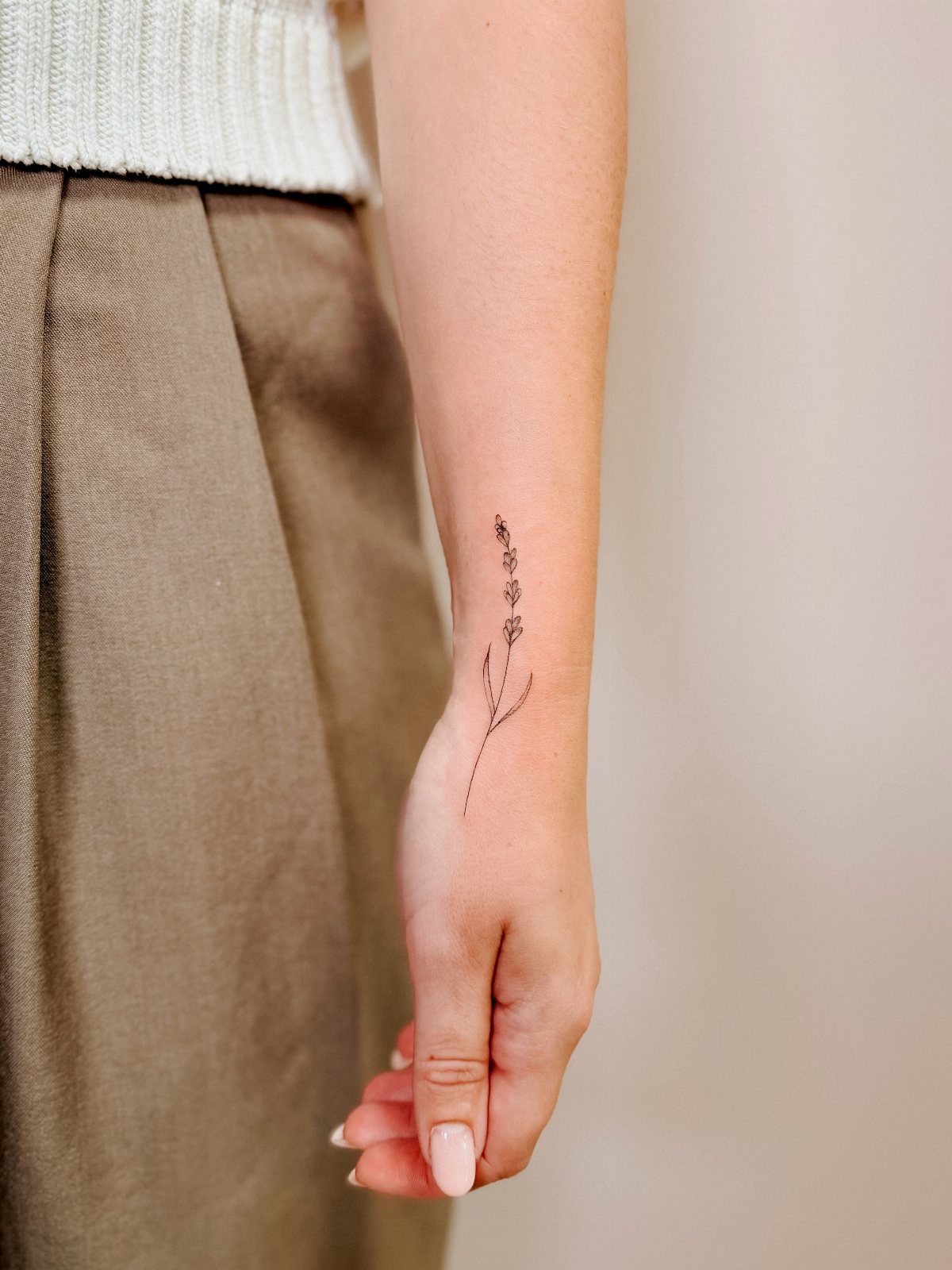
The collarbone and inner arm sit flat and see less sun and friction than hands or outer limbs, which makes them good spots for fine line pieces that need to stay crisp.
Skin in both areas is thinner, so the needle feels sharper, but the session stays short when the design is small.
A floral piece or single symbol fits the space without wrapping awkwardly, and the lighter line weight keeps it subtle under clothing. Aftercare is straightforward since the area doesn’t bend much during healing.
6. Single Needle Tattoos
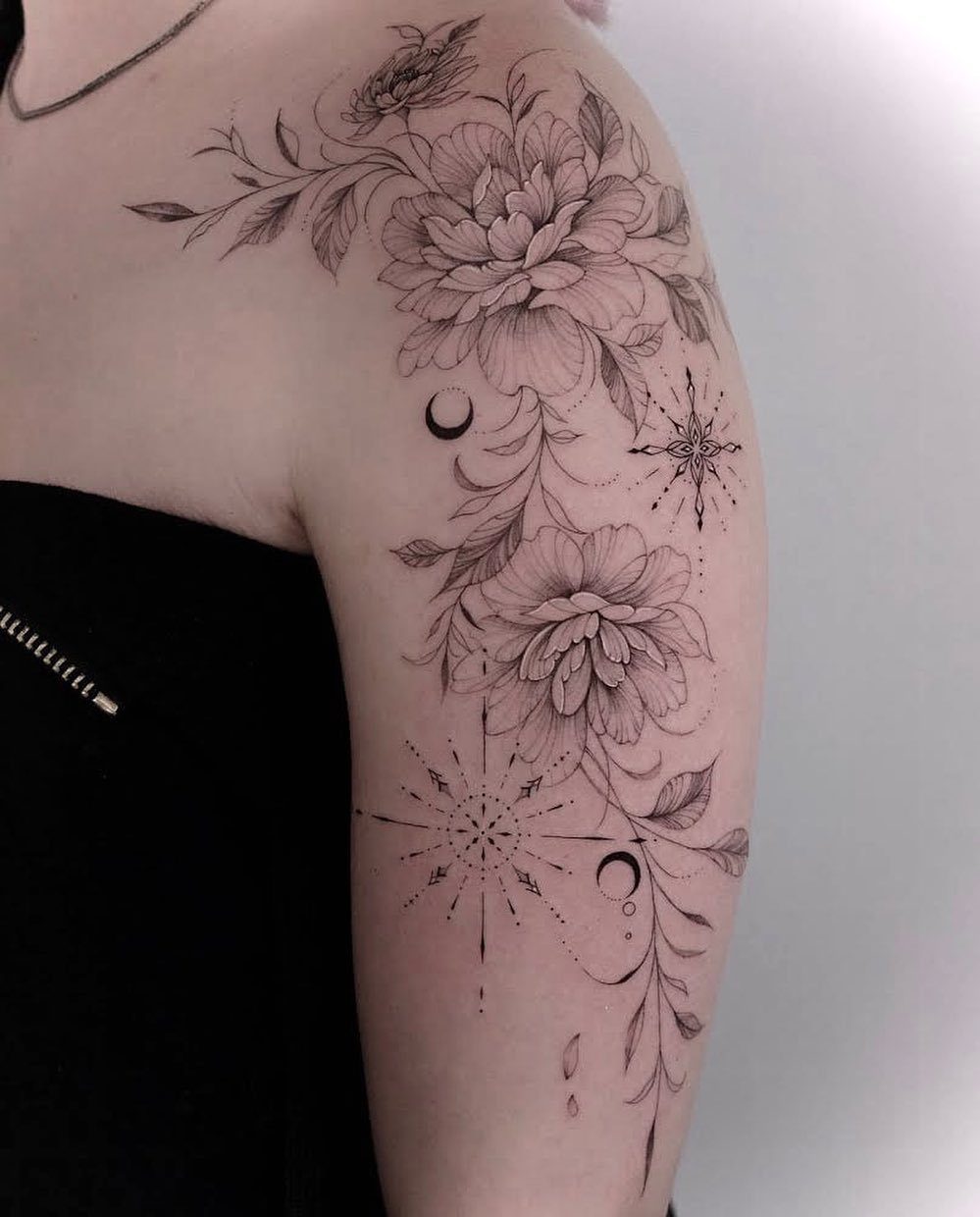
Single needle tattoos use one needle at a time instead of a grouped liner, which produces the thinnest line possible.
The result looks closer to fine pen or etching than standard fine line, and the lighter touch suits small florals, constellations or line drawings that need delicate detail.
Because there’s so little ink in the skin, single needle work fades faster than any other style. Expect the lines to soften over time, and budget for regular touch-ups to keep the design sharp.
Placement on low-friction skin like the upper arm or shoulder blade helps it last longer.
7. Celestial and Winged Figure Tattoo
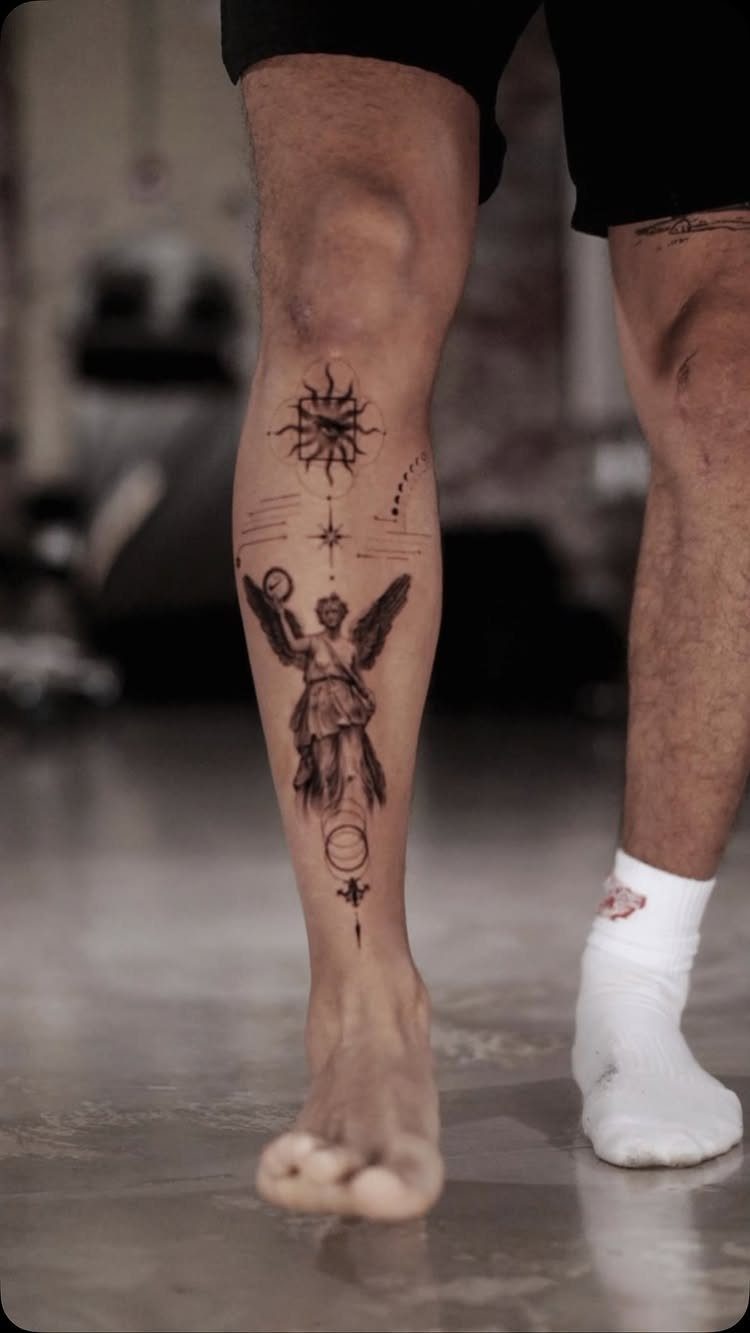
A winged figure running vertically down the calf lets you carry a larger composition without widening across the leg, and the vertical line follows the natural shape of the muscle.
Adding celestial symbols like stars or moons keeps the design light and spaced out instead of packed in one heavy block.
The calf heals cleanly since clothing doesn’t rub as much as waistbands or collars, but expect some fading on the thinnest star points after a couple of years.
Placement here also means you can cover it easily or show it depending on what you wear.
8. Ornamental Spine Tattoo
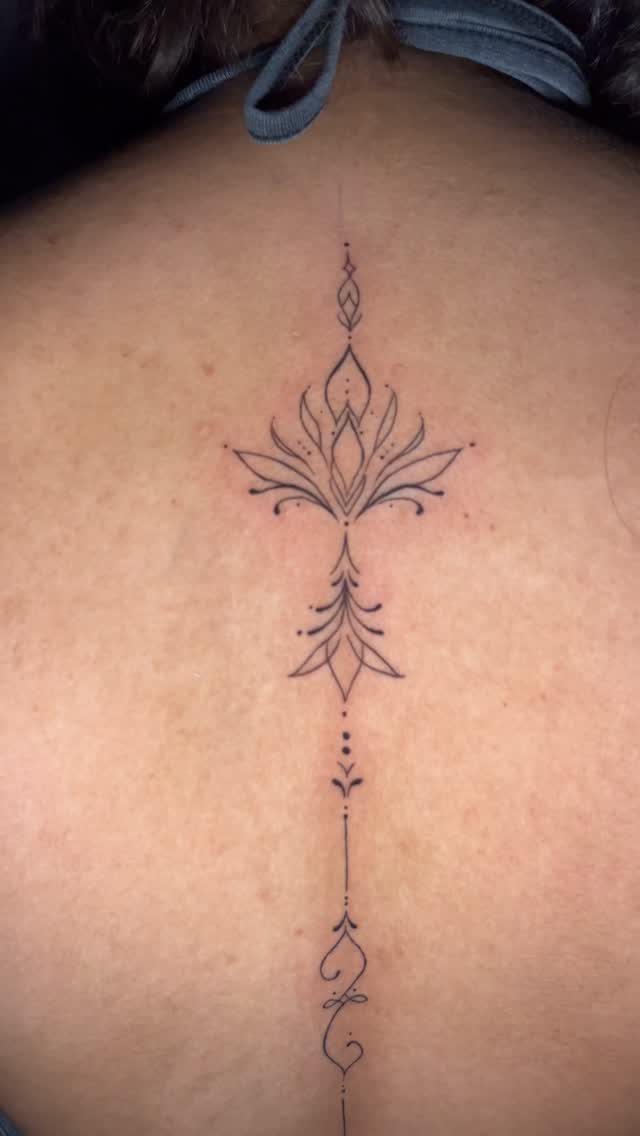
An ornamental design down the spine uses symmetry to follow the centerline of the back, so the lotus and dots mirror across both sides and stay balanced.
The vertical layout makes the piece feel taller and keeps it from spreading wide across the shoulders or ribs.
Skin on the spine is tight over bone, which makes the needle feel sharper, but the session length depends on how far the design runs.
Fine line ages better here than on hands or feet since the back sees less friction and movement during healing.
Pain Levels of Fine Line Tattoos
A single round liner (1RL) or three-round liner (3RL) deposits less ink per pass than the 6RL to 13RL groupings used in traditional styles, which means fewer needles entering the skin at once.
Pain still varies person to person, and placement matters more than needle size for most people. Skin over bone, like the ribs or spine, feels sharper than the outer arm or thigh, regardless of line weight.
Some collectors report that machine tattoos hurt more than hand-poked pieces, but that difference comes down to speed and pressure rather than the style itself. If you’re sensitive to pain, choose a flatter spot with more muscle or fat underneath.
Frequently Asked Questions
How long will fine line tattoos last?
Most fine line tattoos hold their clarity for years before needing a touch-up, depending on where you place them and how carefully you treat your skin.
The thin lines carry less ink than bold work, so they soften faster over time.
What are the downsides of fine line tattoos?
Lines this delicate fade sooner than bold traditional work, so expect to book touch-ups to keep them crisp.
High-motion areas like fingers, feet, and the lower back blur faster due to friction and skin movement, so placement matters more than with traditional styles.
The delicate lines also require more precision from the artist, so finding someone skilled in this style takes more research.